Extract Ratios and 'Dry Powder Equivalent', Explained
"Equivalent to approximately 567 mg of dry powders" is one of the more useful sentences on a supplement label, and one of the most widely misunderstood. Here is what it does and does not tell you.
What an extract ratio is
To make an extract, you take raw plant material, pull the soluble compounds out with a solvent — usually water, alcohol or a mix — and evaporate the liquid away. What remains is concentrated. A 7:1 extract means seven kilograms of raw herb produced one kilogram of extract.
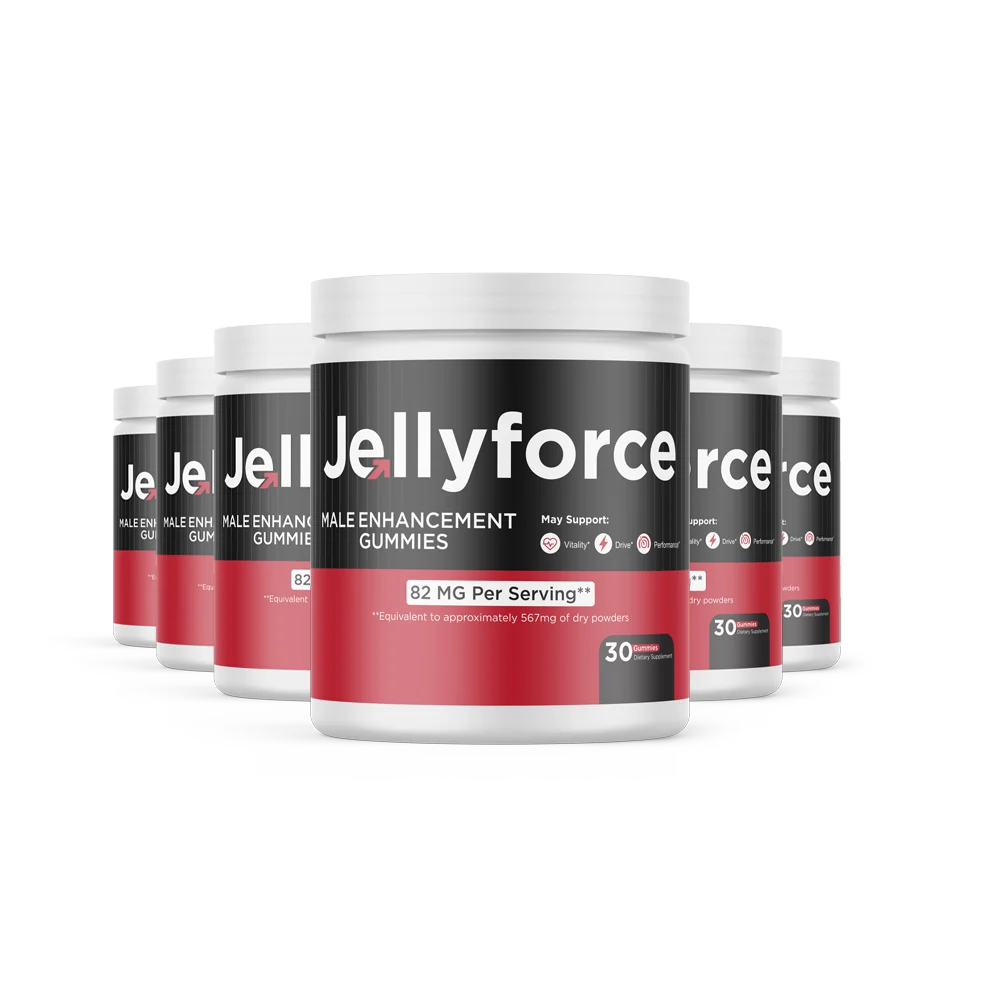
So when a label says 82 mg of extract is equivalent to 567 mg of dry powder, it is saying: this small amount of concentrate started life as that much larger amount of plant.
Why manufacturers use extracts
Three reasons, all practical. Concentration, because 567 mg of raw powder will not fit into a gummy alongside sugar and pectin. Consistency, because extraction can be controlled while raw plant material varies by harvest. And solubility, because some useful compounds are poorly available from unprocessed material.
The thing a ratio does not tell you
Whether the compounds you actually want came along for the ride.
An extract ratio describes mass in and mass out. It says nothing about which constituents were extracted. A water extract and an alcohol extract of the same herb at the same ratio can contain very different things, because different solvents pull out different molecules. Two 7:1 extracts can be genuinely unalike.
This is why serious botanical research specifies standardised extracts — standardised to a stated percentage of a named marker compound. That is a much stronger statement than a ratio, because it commits to what is in the powder rather than to how much plant was used.
How to read a botanical label properly
- Ratio present? Better than nothing. Tells you the concentration.
- Standardisation present? Much better. "Standardised to 5% withanolides" is a real specification.
- Plant part named? Root, leaf and berry are different products with different chemistry. A label that says only the plant name has left out something material.
- Nothing but a name? You are being asked to trust the formulator entirely.
Where Jelly Force sits
It publishes a serving total and an equivalence, which puts it on rung one and a bit — ahead of most gummies in this category, behind a properly standardised capsule. It does not publish standardisation percentages, plant parts, or the split between the five ingredients. If those matter to your decision, ask the seller in writing before ordering; a manufacturer that already prints a number on the front is more likely than most to answer.
The one-line version
A ratio tells you how much plant went in. Standardisation tells you what came out. Only the second one lets you compare a label against a study.
See the current Jelly Force price
Official store pricing, free US shipping on 3 and 6 bottles, 60-day money-back guarantee.
Order NowFrequently asked questions
Is a higher extract ratio always better?
No. A 20:1 extract is more concentrated but not necessarily richer in the compounds you want — that depends on the solvent and the process. Standardisation to a named marker is the more meaningful figure.
What does 'standardised' mean on a label?
That the extract is guaranteed to contain a stated percentage of a specific compound. It is a much stronger commitment than a ratio and is what most clinical research uses.
Does Jelly Force publish standardisation figures?
No. It publishes a serving total of 82 mg and a dry-powder equivalence of about 567 mg. Standardisation percentages, plant parts and the per-ingredient split are not published.
Why does the plant part matter?
Because chemistry differs between root, leaf and fruit of the same species. Research on a root extract does not automatically apply to a leaf extract.