How Thermogenic Supplements Boost Metabolism
What are thermogenic supplements?
Thermogenic supplements are products built around ingredients that slightly raise the energy your body spends, mainly capsaicin from chilli, green tea catechins and caffeine. Thermogenesis means heat production, and these actives nudge it up a little by stimulating the nervous system and fat metabolism. They are aids that modestly increase calorie burn and fat oxidation, not drugs that force weight loss on their own.
- Main actives: capsaicin, green tea catechins and caffeine, sometimes with ginger or black pepper.
- What they do: raise energy expenditure and fat oxidation modestly for a few hours per dose.
- Honest scale: small — a controlled trial showed roughly 2 kg difference versus placebo over eight weeks.
Thermogenic supplements are one of the most heavily marketed and least understood corners of the weight-management shelf, and the confusion is profitable. The word sounds mechanical and powerful; the reality is a modest nudge to a system your body already runs. This guide explains, in plain English, what thermogenesis actually is, how the main thermogenic ingredients boost metabolism, and — the part the ads leave out — how small the honest numbers are. Get the scale right and these products become a sensible tool. Get it wrong and you will overpay for a rounding error on your daily calorie burn.
We read supplement labels for the numbers on them, and that is the approach here. By the end you will understand the mechanism well enough to see why a stimulant-free formula and a stimulant-heavy one differ, why the effect fades if you eat back the calories, and where a gentle botanical gummy honestly sits in the picture. Nothing below is medical advice, and no supplement can diagnose, treat, cure or prevent any disease, including obesity.
What thermogenesis actually is
Thermogenesis simply means the production of heat by the body, and it is happening constantly, because burning energy always releases heat as a by-product. Your total daily energy expenditure has a few components. The largest by far is your basal metabolic rate, the energy it takes just to keep you alive at rest. Then there is the energy of movement, both deliberate exercise and the fidgeting and walking that add up quietly across a day. And there is the thermic effect of food, the energy spent digesting and processing what you eat, which is why protein — expensive to process — has a metabolic edge.
Thermogenic supplements aim at the edges of this system. They do not rebuild your basal rate; they slightly increase the energy your nervous system and fat cells spend for a window after each dose, and in some cases mildly raise the thermic response to a meal. The honest mental model is a dial, not a switch. You are nudging a number that is already large, by a small amount, for a limited time. That is not a criticism — small, sustained nudges can matter — but it is the frame that keeps everything else in this article accurate.
How thermogenic ingredients boost metabolism, one by one
Three actives carry the category, and each pulls a slightly different lever.
Caffeine blocks adenosine, a molecule that signals tiredness, and in doing so raises sympathetic nervous-system activity. The downstream effect is a measurable, short-lived rise in energy expenditure and an increase in the fatty acids released into the blood for fuel. It also makes hard exercise feel easier, which is arguably its most useful contribution to a cut. The catch is tolerance and sleep, which is why more is not better past a modest dose.
Green tea catechins, chiefly EGCG, work by prolonging the fat-mobilising adrenergic signal rather than by triggering a new one. EGCG inhibits the COMT enzyme that would otherwise switch that signal off, so fat oxidation stays elevated a little longer, an effect that is clearest during exercise. We break the numbers down fully in our piece on the green tea EGCG dose for fat oxidation, because the dose is the whole game with this ingredient.
Capsaicin, the heat compound in chilli, activates receptors that stimulate the sympathetic nervous system and brown-fat-like thermogenesis, producing a small rise in energy expenditure and a mild reduction in appetite at the following meal. Ginger and black pepper extract show up as supporting actors on a similar rationale. None of these is dramatic alone; the interest is in whether combining them stacks the small effects into something you can measure.
| Ingredient | Lever it pulls | Typical effect window | Main trade-off |
|---|---|---|---|
| Caffeine | Raises sympathetic activity & energy expenditure | A few hours per dose | Tolerance, poor sleep, jitters, raised heart rate |
| Green tea EGCG | Prolongs fat-oxidation signal via COMT inhibition | Sustained, clearest with exercise | High-dose extract has rare liver-safety signals |
| Capsaicin | Nervous-system thermogenesis & appetite dampening | Post-dose and post-meal | Tolerability, digestive discomfort at higher doses |
| Ginger / black pepper | Minor thermic and absorption support | Modest, supporting role | Evidence thinner than the headline three |
A thermogenic does not rewrite your metabolism. It leans on a dial your body already turns — a little more heat, a little more fat oxidation, for a few hours — which is exactly why it cannot outrun what you put on your plate.
Rather skip the stimulant load?
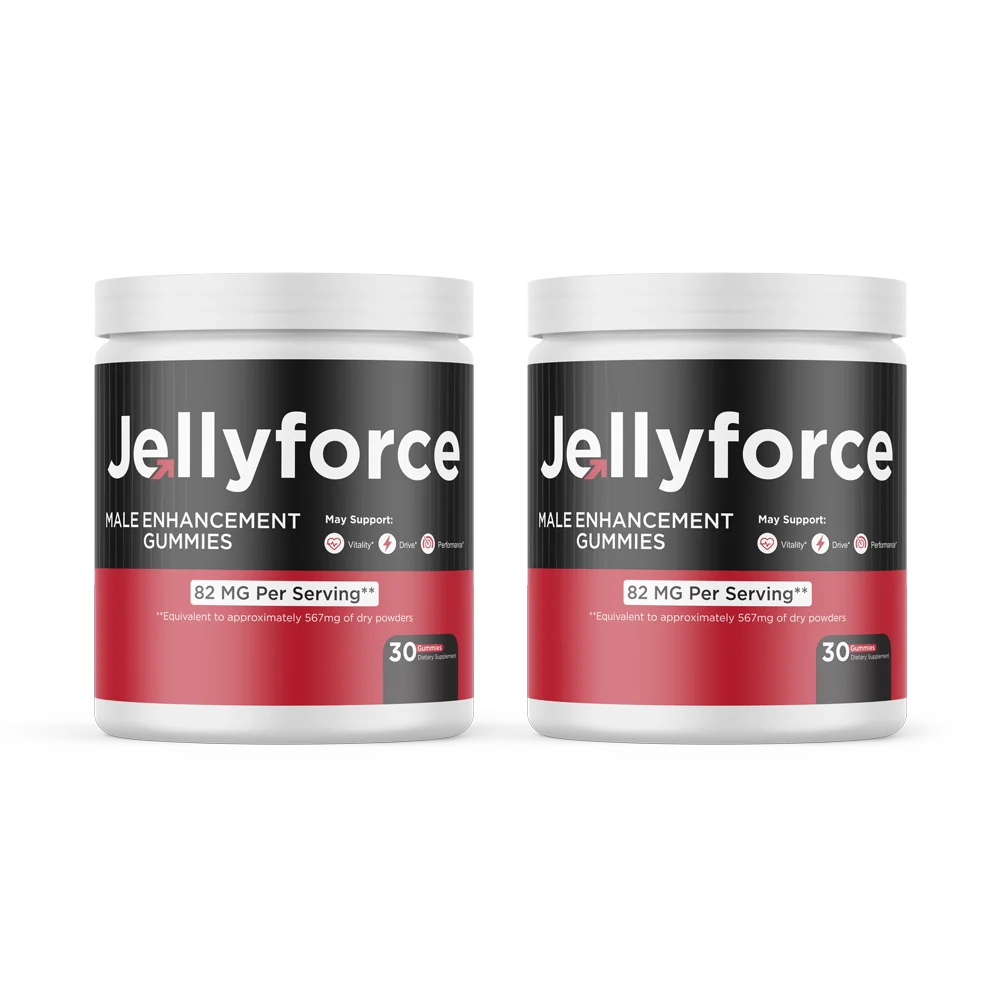
Jelly Force is a once-daily botanical gummy with no caffeine and no harsh stimulants — a calm daily routine to sit alongside your diet and training. See the current offer, free US shipping on 3 and 6 bottles, and the 60-day money-back guarantee.
Get OfferThe honest numbers: how much extra do they burn?
This is where thermogenics either earn your trust or lose it, depending on whether the seller quotes a real study. In controlled human trials the effect is consistent in direction and small in size. A frequently cited example is an eight-week study of a combination of green tea, capsaicin and ginger, which reported roughly 1.8 kg lost in the active group versus a 0.4 kg gain in the placebo group — a difference of about 2 kg over two months. That is a genuine, statistically detectable effect. It is also about a quarter of a kilogram a week attributable to the supplement, in a study where diet was controlled.
Put that next to the levers you control and the picture snaps into focus. A modest daily calorie deficit, adequate protein and a few thousand extra steps will out-produce that 2 kg comfortably, and they cost nothing. Thermogenics add to those levers; they do not substitute for them. The correct expectation for a well-dosed thermogenic is a small acceleration of a plan that is already working — not a result you can feel from the couch. For a realistic sense of pacing, our guide to the weight-loss supplement timeline and what to expect lays out how slowly these differences accumulate.
Why "eat it back" erases the effect
The single most common reason people feel a thermogenic did nothing is not that it failed to raise their metabolism — it is that they replaced the extra burn with extra food, usually without noticing. If a supplement nudges you to burn an additional small number of calories a day and you eat a slightly larger portion in response, the ledger closes and the scale does not move. This is not a flaw in the biochemistry; it is arithmetic. Energy balance always wins, and a modest thermogenic effect is trivially easy to out-eat.
There is a subtler version involving stimulants. A caffeine-heavy formula that disrupts your sleep quietly raises next-day appetite and lowers spontaneous movement, and both of those can more than cancel the thermogenic bump. This is the core reason the market has shifted toward calmer options, a trend we cover in our look at caffeine-free fat burner options: a smaller, cleaner effect you can sustain often beats a larger one that sabotages your sleep. The supplement that works is the one whose benefits you do not accidentally trade away.
Where a botanical gummy like Jelly Force fits
Straight talk, because it is the point of a site like this. Jelly Force is a stimulant-free botanical vitality gummy, not a high-dose thermogenic stack. It does not carry a fat-burner's dose of caffeine or a clinical dose of EGCG, and it is not sold as a product that boosts your metabolism to melt fat. Ranking it against a dedicated thermogenic on raw energy-expenditure numbers would be measuring two different things and would be exactly the kind of overreach this article warns against.
What a gummy like this offers is different and legitimate: a pleasant, stimulant-free, once-daily botanical routine that people actually keep, wrapped around the diet and movement that do the real work. If your goal is the biggest measurable thermogenic effect, a well-dosed capsaicin-plus-green-tea formula will out-measure a gummy. If your goal is a calm daily habit with no stimulant load and a disclosed label, that is a different and equally valid choice. Read the panel with the same scepticism we apply on the Jelly Force ingredient breakdown, and if you want the full field, our comparison of the best natural fat burners of 2026 shows where every option lands.
Using thermogenics sensibly, if you use them
- Anchor them to a deficit. A thermogenic on top of maintenance calories does close to nothing. On top of a real deficit, it is a small tailwind.
- Respect the stimulant math. If caffeine wrecks your sleep, the net effect turns negative. Choose stimulant-free, or dose caffeine early in the day.
- Match doses to studies. For EGCG that means the researched range; for caffeine, a modest amount rather than a mega-dose. More is where side effects live, not where results live.
- Track one honest metric for 8–12 weeks. The effect is too small to feel, so you have to measure it. Decide your stopping rule before you start.
- Check with a professional if you have conditions. Heart, blood-pressure, thyroid or anxiety issues, pregnancy, or medications all change the calculus.
Follow that and thermogenics behave the way the evidence says they should: a modest, honest assist to a plan that is already moving. Misuse them — on top of maintenance calories, at the cost of sleep, in the hope they do the work — and they behave like an expensive placebo. The mechanism is real; the scale is small; and knowing both is what separates a smart purchase from a disappointed one.
Frequently asked questions
What are thermogenic supplements?
Thermogenic supplements are products built around ingredients that slightly raise the energy your body spends, mainly capsaicin from chilli, green tea catechins and caffeine. Thermogenesis means heat production, and these actives nudge it up a little by stimulating the nervous system and fat metabolism. They are aids that modestly increase calorie burn and fat oxidation, not drugs that force weight loss on their own.
Do thermogenics really increase metabolism?
Yes, but modestly and often briefly. Human studies show small rises in energy expenditure and fat oxidation for a few hours after a dose, and some trials show measurable weight differences over weeks. The effect is real and also small next to a calorie deficit, so thermogenics help at the margins rather than transforming your metabolism.
How much extra fat can thermogenics burn?
In controlled trials the effect is small. One eight-week study of a green tea, capsaicin and ginger combination reported about 1.8 kg lost versus a 0.4 kg gain in the placebo group, a difference of roughly 2 kg over two months. Numbers vary widely between studies and people, and none of it appears without a supporting diet and activity.
Are thermogenic supplements safe?
For most healthy adults, thermogenics within sensible doses are generally well tolerated, though caffeine-heavy formulas can cause jitters, raised heart rate, poor sleep and higher blood pressure. High-dose green tea extract has rare liver-safety signals. Anyone with heart, blood-pressure, thyroid or anxiety conditions, or who is pregnant or on medication, should speak to a doctor before using them.
See the current Jelly Force offer
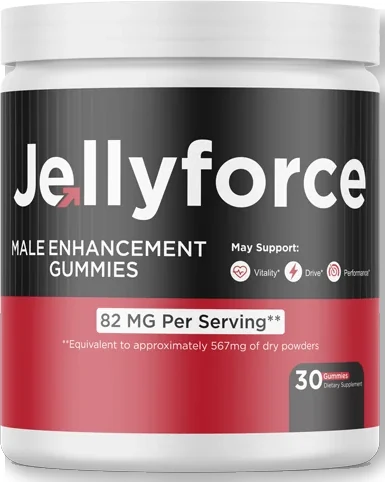
If a stimulant-free, once-daily botanical gummy is the routine you will actually keep, the official store is the only source we link to. Current pricing, shipping terms and the 60-day guarantee are shown there.
Get OfferReferences
Related reading
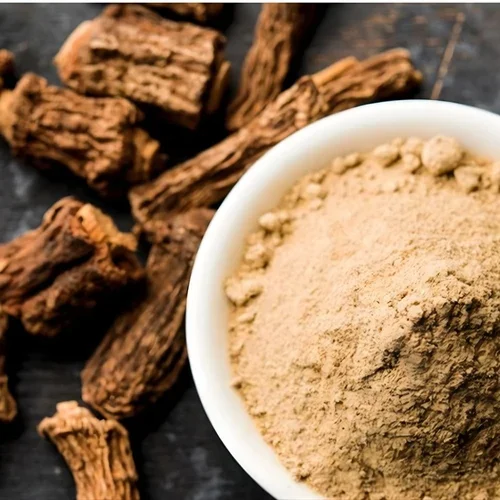
Green Tea EGCG for Fat Oxidation: The Dose
How much green tea extract fat-oxidation studies actually use, the COMT mechanism behind it, and why exercise matters.
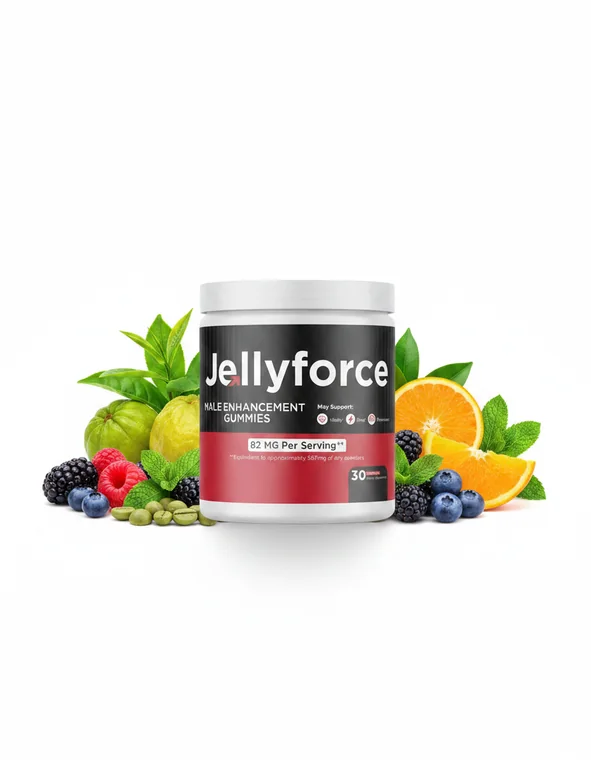
Best Natural Fat Burners of 2026 Compared
Green tea EGCG, capsaicin, chromium, L-carnitine and caffeine ranked by evidence, plus where a stimulant-free gummy fits.
Caffeine-Free Fat Burner Options
Stimulant-free actives that still support fat oxidation, and who should choose them over a caffeine-based formula.
Weight-Loss Supplement Timeline: What to Expect
A realistic week-by-week picture of how slowly supplement effects accumulate, and how to test one fairly.