Green Tea EGCG for Fat Oxidation: The Dose
How much green tea extract should I take for weight loss?
Green tea extract for weight loss is studied most often at around 100 to 460 mg of EGCG per day, with a few trials up to roughly 857 mg. The useful target is a product that discloses its EGCG content and lands inside that range, taken consistently with food. More is not automatically better — higher doses are where the rare safety questions appear.
- Studied range: ~100–460 mg EGCG/day, some trials near 857 mg.
- Mechanism: EGCG inhibits COMT, prolonging adrenergic signalling, which raises lipolysis and fat oxidation.
- Reality: the effect is modest and shows up best alongside exercise and a calorie deficit.
Nearly every fat-burner label leans on the same three words — "green tea extract" — and almost none of them tell you the one number that decides whether it can do anything: the EGCG dose. Green tea extract for weight loss is one of the better-studied natural options out there, but the research is about a specific compound at a specific range, not about a vague herbal name on a panel. This piece pins down the dose fat-oxidation studies actually use, explains the mechanism in plain terms, and is honest about how small the effect is when the diet and the training are not doing their part.
We publish labels and work out what the milligrams rule in and rule out, so the target here is practical. By the end you will be able to look at any green tea extract product, find whether it names its EGCG content, and judge in seconds whether it lands in the range that studies used or is just borrowing the reputation of the plant. Nothing here is medical advice, and no supplement can diagnose, treat, cure or prevent any disease, including obesity.
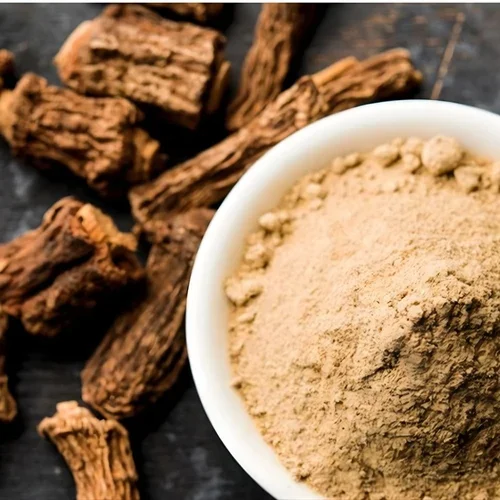
The EGCG dose fat-oxidation studies actually use
When researchers test green tea for fat oxidation or weight outcomes, they do not dose "green tea extract" as an abstraction; they dose a measured quantity of epigallocatechin gallate, or EGCG, the dominant catechin. Across the human literature, the commonly used range sits at roughly 100 to 460 mg of EGCG per day, frequently split across two doses and frequently taken with a modest amount of caffeine, since the two work together. A minority of trials pushed higher, to around 857 mg per day, usually to test whether more produced a larger effect. It sometimes did, marginally, and it also moved closer to the doses where safety questions begin.
That range is the single most useful fact a shopper can carry. It converts a fuzzy marketing term into a pass-or-fail test. A capsule that lists "500 mg green tea extract, standardised to 50 per cent EGCG" delivers about 250 mg of EGCG, squarely in the studied band. A gummy that lists "green tea" in a proprietary blend with no milligrams tells you nothing, and in this category "tells you nothing" should be read as "assume it is underdosed", because a formulator proud of a studied dose puts it on the front of the box.
| Daily EGCG | Where it sits | What to expect |
|---|---|---|
| Under ~100 mg | Below the studied range | Likely too little to matter for fat oxidation; common in blended gummies |
| ~100–460 mg | The core studied range | Where most positive human trials operated; modest, real effect alongside diet and exercise |
| ~460–857 mg | Upper end, fewer trials | Marginal extra effect at best; move toward this only with food and caution |
| Above ~857 mg | Beyond most research | Not where the evidence lives; rare liver-safety signals concentrate here, especially fasted |
How EGCG burns fat: the COMT mechanism, in plain English
The mechanism is more elegant than the marketing suggests, and understanding it explains both why the effect is real and why it is modest. Your nervous system constantly sends a fat-mobilising signal using noradrenaline, a catecholamine that tells fat cells to release stored fatty acids for fuel. An enzyme called catechol-O-methyltransferase, or COMT, exists to break that signal down and switch it off. EGCG partially inhibits COMT. With the "off switch" slowed, the noradrenaline signal lingers a little longer, so lipolysis — the release of fat from storage — and fat oxidation rise modestly above where they would otherwise sit.
Caffeine, which occurs naturally in green tea, works on a parallel pathway by blocking adenosine and nudging the same adrenergic system, which is why green tea's catechins and its caffeine are usually studied together and appear to be mildly synergistic. The important word throughout is "prolongs". EGCG does not create a new fat-burning command; it extends one your body was already sending. If that underlying signal is weak — because you are sedentary, fed and in energy surplus — then prolonging it yields very little. If that signal is strong — because you are moving, in a deficit, drawing on fat for fuel — there is something worth prolonging.
EGCG does not order your body to burn fat. It slows the enzyme that switches off a fat-burning signal you are already sending — which is exactly why exercise is not optional to the effect, it is the effect's raw material.
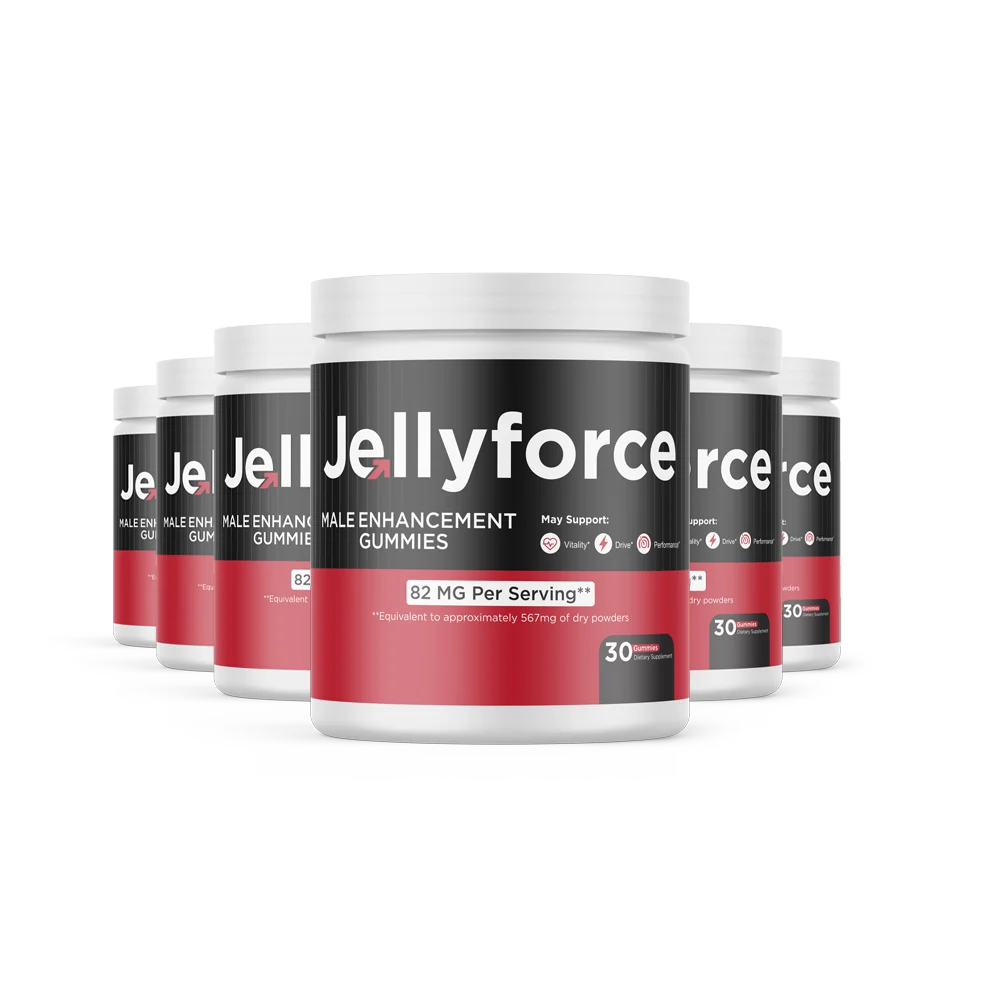
Want a stimulant-free daily botanical routine?
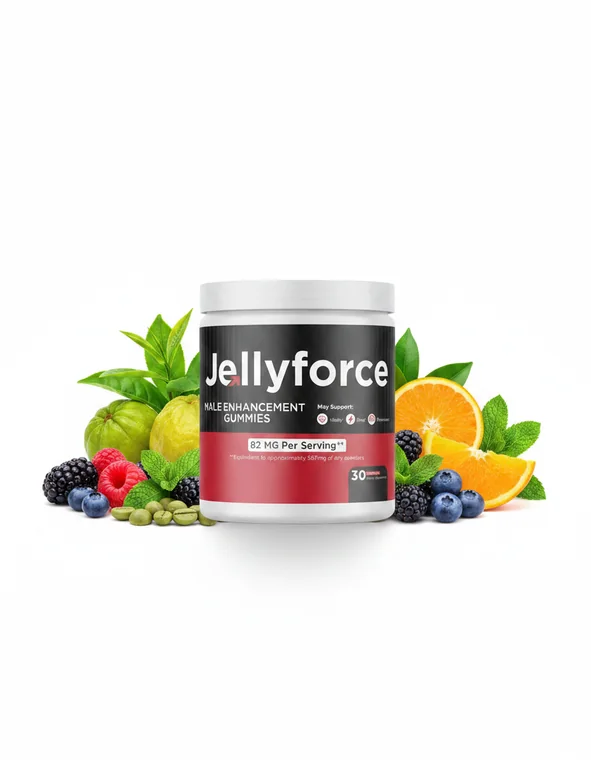
Jelly Force is a once-daily botanical gummy with no caffeine and no harsh stimulants, built to sit alongside your diet and training rather than replace them. See the current offer, free US shipping on 3 and 6 bottles, and the 60-day money-back guarantee.
Get OfferWhy the effect is modest — and why that is the honest headline
Meta-analyses of green tea catechins for weight generally land in the same unglamorous place: a small average reduction in body weight over weeks to months, larger in some populations, negligible in others, and easily swamped by differences in diet. That is not a failure of the ingredient; it is an accurate picture of where a five-per-cent lever sits next to the ninety-five-per-cent levers of calorie balance, protein and activity. Anyone promising green tea extract as a standalone route to significant weight loss is describing a study that does not exist.
This is why the framing on the rest of this site matters. We cover how thermogenic supplements boost metabolism in detail precisely to keep expectations honest: thermogenics nudge the numerator of energy expenditure while your behaviour controls the denominator of energy intake. Green tea EGCG is arguably the best-behaved member of that family — well studied, mechanistically clear, generally well tolerated — and it still only earns its keep as a supporting act. Set the expectation correctly and you will be satisfied; import a fantasy and you will be disappointed by an ingredient that was doing its job.
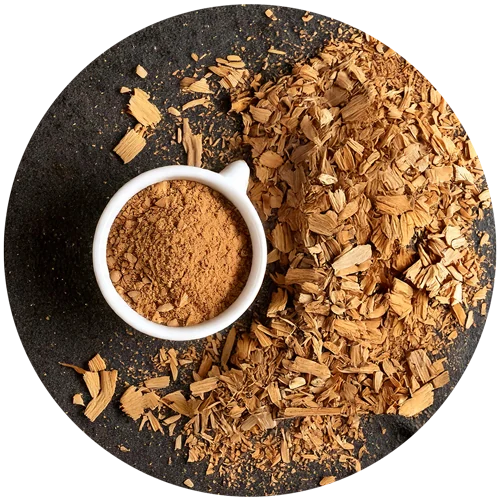
Reading a green tea label without being fooled
Three numbers decide everything, and most panels hide at least one of them.
- Total extract weight. "500 mg green tea extract" is the headline, but on its own it is meaningless, because extract can be standardised to almost any catechin percentage.
- EGCG standardisation. The phrase you want is "standardised to X% EGCG" or, better, a direct "EGCG 250 mg". Multiply the extract weight by the percentage and you have your real daily dose. No percentage listed usually means a low one.
- Caffeine content. Decaffeinated extracts exist and are often chosen for the catechins alone; full-spectrum extracts carry caffeine that adds to the effect and to the stimulant load. Neither is wrong, but you should know which you are buying, especially if you are weighing caffeine-free fat burner options.
Run those three checks and you have out-read most buyers. The same discipline we apply to every panel on the Jelly Force ingredient label applies here: a product that publishes real numbers can be assessed, and one that buries green tea in a proprietary blend has told you its dose is not worth showing. If you are comparing formulas, our round-up of the best natural fat burners of 2026 puts EGCG next to caffeine, capsaicin and the rest so you can see how the doses stack up.
Where a botanical gummy like Jelly Force fits
Honesty first, because it is the whole value of a site like this. Jelly Force is a stimulant-free botanical vitality gummy; it is not a concentrated green tea EGCG product and is not sold as one. If your specific goal is to hit the 100–460 mg EGCG range studied for fat oxidation, a standardised green tea extract is the tool for that job, not a general botanical gummy. Saying anything else would be exactly the kind of label-blurring this article exists to call out.
Where a gummy like Jelly Force earns consideration is on a different axis: a pleasant, stimulant-free, once-daily botanical routine that people actually keep, sitting alongside the diet and movement that supply the fat-burning signal in the first place. The EGCG story makes the point for the whole category — the supplement prolongs a signal your behaviour creates. Choose a green tea extract if you want the studied catechin dose; choose a botanical gummy if you want a sustainable daily habit; and in both cases, judge the product on its disclosed label rather than its promises.
Safety, briefly and seriously
Drinking green tea is about as low-risk as supplements get. Concentrated extract is a slightly different story at the top of the dose range. Regulators including EFSA have flagged that high daily doses of EGCG from supplements, particularly taken on an empty stomach, have been linked in rare cases to liver injury, which is why the sensible defaults are: stay within the studied range, take it with food rather than fasted, and talk to a doctor first if you have liver concerns, take medication, or are pregnant or breastfeeding. "Natural" is not a dosing instruction, and the safest way to use the best-studied natural fat-oxidation ingredient is to respect the numbers that made it well studied in the first place.
Frequently asked questions
How much green tea extract should I take for weight loss?
Fat-oxidation and weight studies most often use around 100 to 460 mg of EGCG per day, with some trials going as high as roughly 857 mg. The practical target is a product that discloses its EGCG content and lands inside that range, taken consistently. More is not automatically better, because higher doses are where the rare safety questions appear, so match the studied range rather than chase it.
How does EGCG burn fat?
EGCG inhibits an enzyme called COMT that normally breaks down noradrenaline. With that breakdown slowed, the fat-mobilising adrenergic signal your body already sends lasts longer, which raises lipolysis and fat oxidation modestly. Caffeine in green tea adds to the effect. It does not create fat loss on its own; it slightly increases the fuel you draw from fat when you are already burning it.
Is green tea extract safe daily?
For most healthy adults, green tea extract within the studied range is generally well tolerated, and drinking green tea is safer still. The main caution is high-dose concentrated extract taken on an empty stomach, which has been linked in rare cases to liver problems. Taking it with food, staying in the researched dose range, and speaking to a doctor if you have liver concerns or take medication are the sensible steps.
Does green tea extract work without exercise?
The fat-oxidation effect is real but modest, and it shows up most clearly during physical activity, when your body is already mobilising fat for fuel. Without a calorie deficit and some movement, the extra fat you oxidise is small and easily offset by eating more. Green tea extract is best understood as a mild amplifier of a diet and exercise routine, not a standalone weight-loss tool.
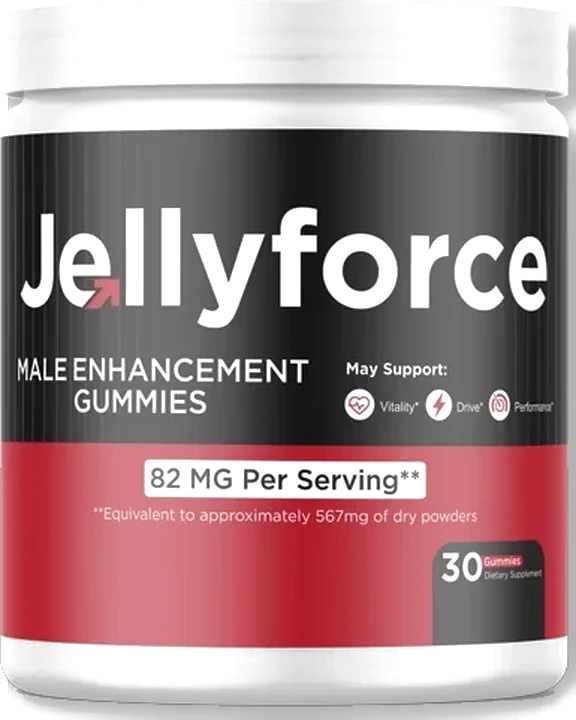
See the current Jelly Force offer
If a stimulant-free, once-daily botanical gummy is the routine you will actually keep, the official store is the only source we link to. Current pricing, shipping terms and the 60-day guarantee are shown there.
Get OfferReferences
Related reading
How Thermogenic Supplements Boost Metabolism
What thermogenesis is, how capsaicin, green tea and caffeine nudge calorie burn, and honest numbers on the effect size.
Best Natural Fat Burners of 2026 Compared
Green tea EGCG, capsaicin, chromium, L-carnitine and caffeine ranked by evidence, plus where a stimulant-free gummy fits.
L-Carnitine and Fat Transport: The Evidence
What L-carnitine does for fatty-acid transport, who tends to respond, and where the human trials are genuinely mixed.
Caffeine-Free Fat Burner Options
Stimulant-free actives that still support fat oxidation, and who should choose them over a caffeine-based formula.