Jelly Force Reviews: Does It Really Work?
Does Jelly Force really work for weight loss?
Jelly Force reviews are best read with realistic expectations. As a natural gummy it supports, rather than replaces, a calorie-controlled diet and regular movement. Used that way it can contribute to gradual, modest loss over weeks, not the dramatic drops that hyped ads imply.
- Realistic result: around 1–3 lb in the first 30 days, roughly 5–10 lb over 8 weeks with diet and exercise.
- What it is: a 30-day-per-bottle supplement made in a US GMP facility, distributed by Info Wealth CO of Pinellas Park, Florida.
- What it is not: not FDA-approved, not a drug, and not a treatment for any disease. Statements are not FDA-evaluated.
Search Jelly Force reviews and you will meet two extremes on the same page: breathless testimonials promising the pounds fell off by themselves, and angry one-star posts insisting nothing happened at all. Both camps are usually describing the same product used in two completely different ways. The honest answer to "does it work" sits in the unglamorous middle, and this review is an attempt to map that middle carefully, so you can decide whether Jelly Force belongs in your own plan before you spend a cent.
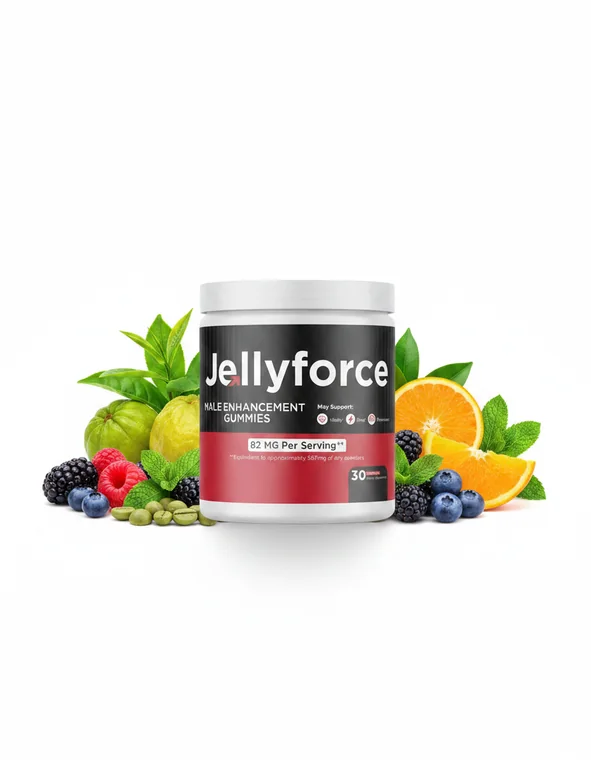
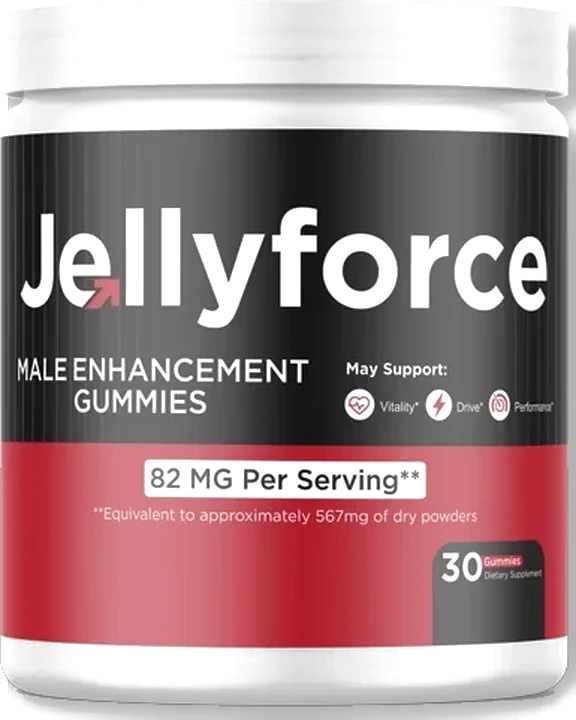
Jelly Force is a natural weight-management gummy sold as a 30-day supply per bottle, manufactured in a United States facility that follows Good Manufacturing Practice standards and distributed by Info Wealth CO in Pinellas Park, Florida. It is a dietary supplement, which means a specific and limited thing under US rules: it is designed to support normal body processes alongside your lifestyle, not to diagnose, treat, cure or prevent anything. Hold onto that definition, because most disappointed reviews come from expecting a gummy to behave like a prescription drug.
What Jelly Force reviews are really measuring
When someone says a supplement "worked," they almost never mean the capsule acted alone. Weight change is driven overwhelmingly by the gap between the energy you eat and the energy you burn. Every credible weight-loss product, natural or prescription, is ultimately a lever on that equation: it can make it a little easier to eat less, move more, or feel steadier while you do. A gummy that helps you skip the mid-afternoon biscuit run is doing real work, but the pounds still come off through the calorie gap, not through magic in the gelatin.
This matters for how you read reviews. A five-star post from someone who also started walking daily and cut their evening snacking is not lying, but they cannot cleanly separate the gummy from the walking. A one-star post from someone who changed nothing else and expected the scale to move is also telling the truth about their experience, and about the limits of any supplement used in isolation. The most useful reviews are the ones that describe the whole routine, not just the bottle.
Setting realistic numbers before you buy
Here is the part the marketing rarely states plainly. Natural weight-loss supplements, taken as directed alongside a modest calorie deficit and some activity, tend to be associated with roughly one to three pounds of change in the first 30 days, and something like five to ten pounds across an eight-week stretch. Those figures are not a promise Jelly Force can make, because individual results genuinely vary and no supplement guarantees an outcome. They are simply the honest ballpark for this category, and Jelly Force lives inside that category rather than above it.
Compare that with the expectations planted by aggressive advertising, where people are shown losing twenty or thirty pounds in a month. That pace is not typical, not safe as a blanket target, and not something a gummy delivers on its own. If a review or an ad promises it, treat the promise itself as the red flag. A product being honest about modest, gradual change is a sign of a seller you can trust, not a weaker product.
| Time on Jelly Force | Realistic change (with diet + activity) | What most people notice |
|---|---|---|
| Week 1–2 | Little to no scale movement | Getting into the daily habit; some report steadier appetite |
| Day 30 (one bottle) | Around 1–3 lb | Early trend forming; clothes fit is a better gauge than the scale |
| Week 6–8 | Roughly 5–10 lb cumulative | A visible trend if the diet and movement stayed consistent |
| Beyond 8 weeks | Depends entirely on lifestyle | The habits, not the gummy alone, decide whether it holds |
Notice what the right-hand column keeps returning to. The variable that decides your result is not the bottle, it is the consistency of everything around it. That is not a reason to skip the supplement; it is the frame that lets a supplement help instead of disappoint. If you want the fuller version of this expectation curve, our guide to the weight-loss supplement timeline and what to expect week by week walks through why the early weeks look flat and when the trend usually appears.
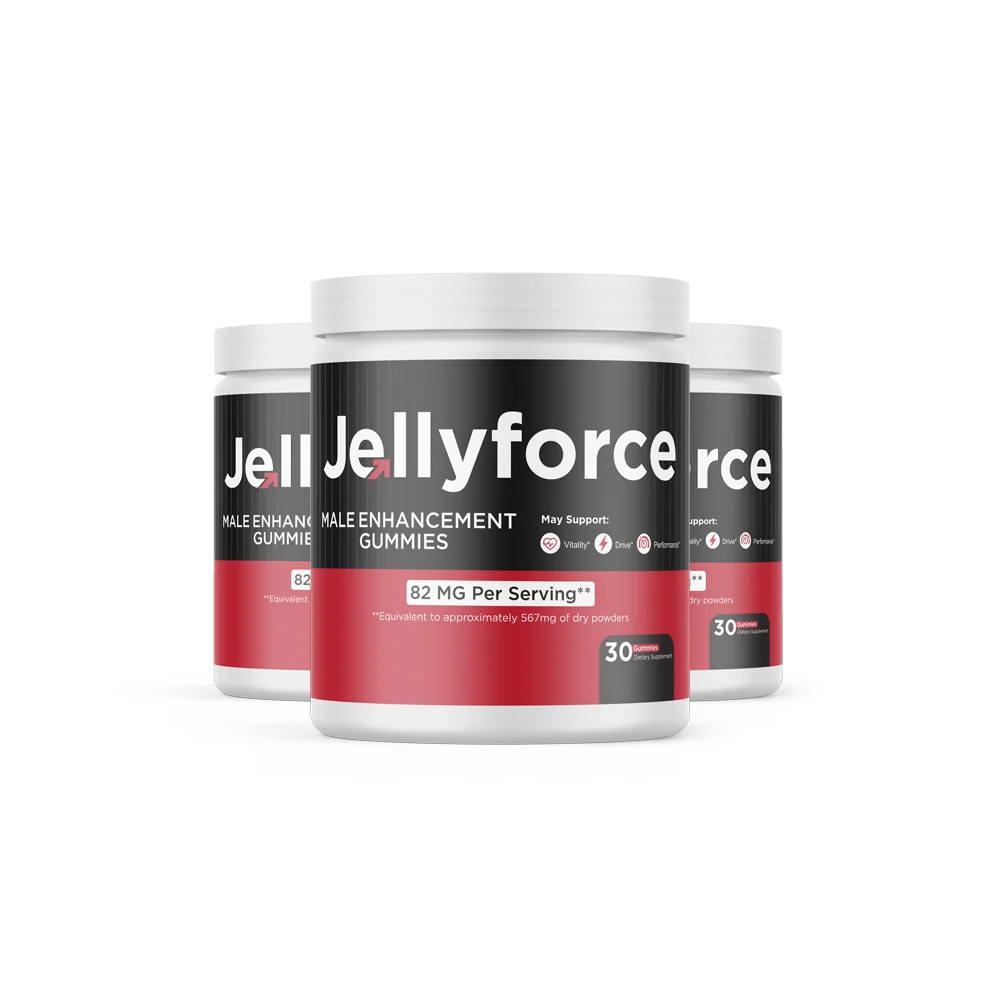
See the current Jelly Force offer
Official store pricing, multi-bottle bundles and a money-back guarantee on official orders. Jelly Force is a natural weight-management gummy and makes no disease claims.
Get OfferThree common objections, answered honestly
"Weight-loss gummies are just sugar." It is a fair worry, because plenty of gummy supplements bury a tiny active dose under a spoonful of sweeteners. The honest response is to read the panel rather than the front label: check the serving size, the named ingredients and the amounts, and judge from there. A gummy format is a delivery method, not automatically a gimmick, but you should always confirm what is actually inside before you decide it earns a place in your routine.
"If it worked, a doctor would prescribe it." This conflates two different things. Prescription weight-loss medicines are drugs that go through clinical trials and FDA approval for specific medical use; supplements are a different legal category with a different, lighter standard. That does not make a supplement useless, but it does mean you should expect supportive, modest help rather than a clinical-grade effect. We lay the two side by side in our honest look at Jelly Force versus prescription GLP-1 options, including the very different cost and commitment.
"The testimonials look fake." Some online testimonials are staged, and the worst offenders are fake celebrity endorsements attached to products the celebrity never touched. The safe move is to discount dramatic before-and-after claims entirely and weight your decision on the verifiable facts instead: where it is made, who distributes it, what the label says, and whether there is a real refund guarantee behind an official purchase.
The FDA question, stated plainly
One of the most common questions in Jelly Force reviews is whether it is "FDA approved." The clean answer is no, and that is not a knock against this particular product. The FDA does not approve any dietary supplement. It approves drugs. Supplements operate under a framework where the manufacturer is responsible for safety and honest labelling, and where the standard disclaimer applies: these statements have not been evaluated by the FDA, and the product is not intended to diagnose, treat, cure or prevent any disease. Any brand that tells you its gummy is "FDA approved" is either careless or misleading, and that alone would make us trust it less.
What Jelly Force can legitimately point to is where and how it is made: a United States facility operating under Good Manufacturing Practice standards, which govern cleanliness, consistency and quality control during production. GMP is about the manufacturing process, not a verdict on weight-loss effectiveness, but it is a meaningful and verifiable quality signal, and it is a fair thing for the brand to state.
Who tends to be satisfied, and who tends to be disappointed
Across the pattern of reviews for products in this category, the split is fairly predictable. People who pair the gummy with a genuine, sustainable change, eating a little less, walking a little more, sleeping better, tend to describe a positive, gradual experience and credit the product with making the changes easier to stick to. People who bought it hoping to keep every existing habit and let the gummy do the work tend to feel cheated, because no supplement can out-run a diet.
There is also a middle group worth naming: people who quit at two weeks because the scale had not moved. Two weeks is simply too short. The category is an eight-week proposition, and judging it at day fourteen is like weighing a garden the week after you plant it. If you are going to try Jelly Force, commit to a fair trial or do not start; a half-hearted fortnight tells you nothing except that fortnights are short.
The most reliable predictor in any weight-loss review is not the product name. It is whether the reviewer changed anything else. Read for that, and the star ratings start to make sense.
How to run your own fair test of Jelly Force
If you want an answer you can actually trust, treat the bottle like a small experiment rather than a lottery ticket.
- Pick one 30-day bottle as a starting unit, but plan for eight weeks. A single month rarely shows the full trend; the multi-bottle bundles exist because the honest trial length is longer than one bottle.
- Write down a baseline. Weight, a couple of measurements, and how your clothes fit today. Memory is generous and will rewrite the past to match the present.
- Change one lifestyle lever alongside it. A daily walk or a modest calorie trim. Not five changes at once, or you will never know what helped.
- Take it consistently, same time daily. Skipping days turns your experiment into noise.
- Judge at week eight, not week two. Decide in advance what result would count as success, so you are not talked into or out of it afterwards.
Before you commit, it is also worth understanding the money side, since the value case depends on the bundle you pick. Our full Jelly Force cost and price-per-bottle breakdown shows how the per-day figure falls on the larger packs, and our guide to where to buy Jelly Force safely online explains why the official channel is the only one that protects your guarantee.
The verdict
Does Jelly Force really work? As a natural weight-management gummy used the way it is meant to be used, with a sensible diet and some movement, it can be a reasonable supporting tool that helps a gradual result along. As a standalone miracle that melts pounds while you keep every habit, no, and neither does anything else in its category. The product is honest about being a supplement rather than a drug; the smartest reviewers are honest about that too. If your expectations match the one-to-three-pounds-a-month reality and you are willing to give it a genuine eight-week run, it is a fair thing to try. If you were hoping to skip the diet entirely, save your money and your disappointment.
Frequently asked questions
Does Jelly Force actually work for weight loss?
Jelly Force is a natural supplement, not a drug, so it works as a support tool rather than a guaranteed fix. Its plant-based ingredients are intended to complement a reduced-calorie diet and regular movement. Used that way, most people see gradual changes measured in a few pounds over weeks, not dramatic overnight loss.
How much weight can I realistically lose with Jelly Force?
Natural weight-loss supplements typically contribute to roughly one to three pounds over the first 30 days, and about five to ten pounds across eight weeks when paired with diet and exercise. Results vary with your starting point, habits and consistency. Any product promising much faster loss is overselling what a gummy can do.
Is Jelly Force FDA approved?
No. The FDA does not approve dietary supplements, so no gummy can honestly claim FDA approval. Jelly Force is made in a US facility that follows Good Manufacturing Practice standards, but its statements have not been evaluated by the FDA, and it is not intended to diagnose, treat, cure or prevent any disease.
How long before Jelly Force shows results?
Most people should give it a fair eight-week trial. Early weeks may bring small changes in appetite or energy, with more visible movement on the scale over four to eight weeks when combined with sensible eating and activity. Taking it consistently at the same time each day makes the trial easier to judge.
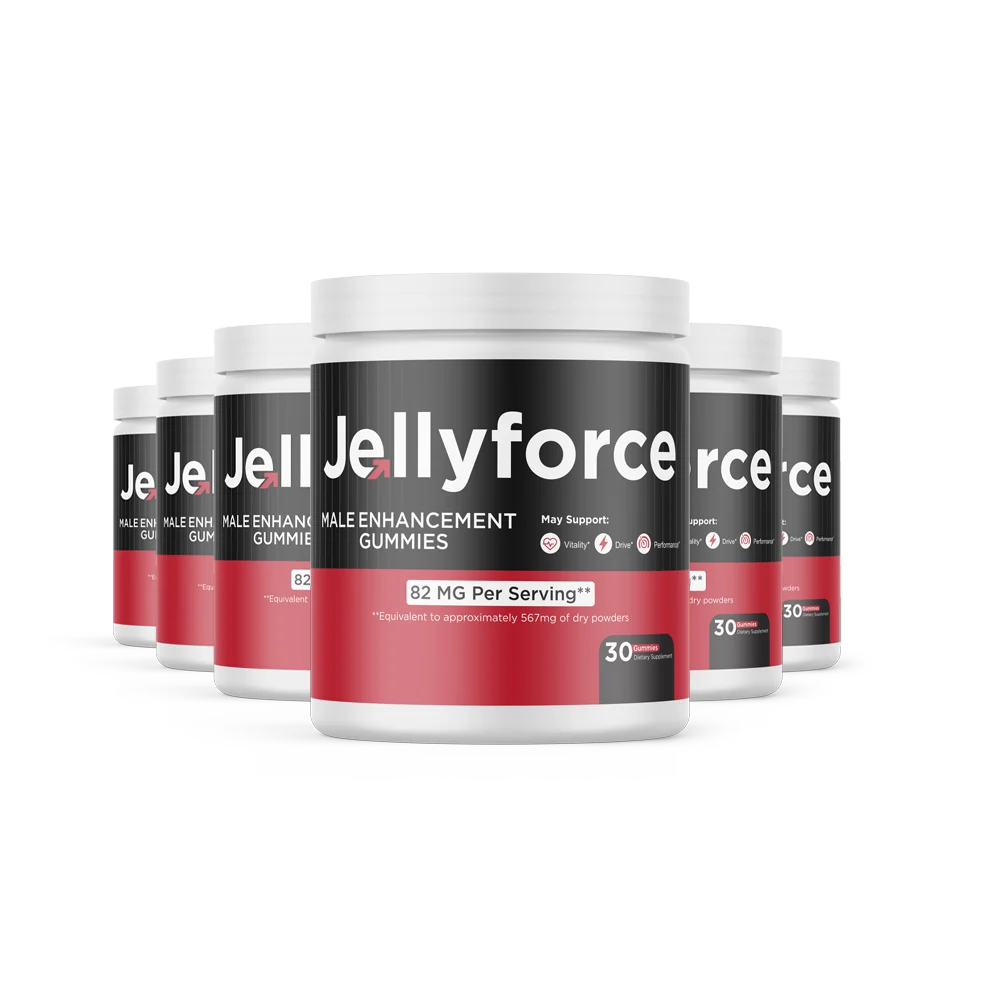
Ready to run your own eight-week trial?
The official store lists current bundle pricing, shipping terms and the money-back guarantee that applies to official orders. It is the only source we link to.
Get OfferRelated reading
Jelly Force Cost: Price Per Bottle Breakdown
How the $158–$294 packages compare, the cost per day, and why multi-bottle bundles lower the per-bottle price.
Where to Buy Jelly Force Safely Online
Why the official channel is the only way to avoid counterfeit gummies and keep the money-back guarantee.
Weight-Loss Supplement Timeline: What to Expect
Why the first weeks look flat, when the trend usually appears, and how to judge a fair trial.
Jelly Force vs Prescription GLP-1: An Honest Look
How a natural gummy and a prescription drug differ in effect, cost, commitment and who each one suits.