Jelly Force vs Ozempic: A Prescription GLP-1 Honest Look
Is Jelly Force the same as Ozempic or a GLP-1 drug?
No. In the Jelly Force vs Ozempic comparison, Ozempic is a prescription GLP-1 medicine and Jelly Force is a natural weight-management gummy. The drug delivers much larger average loss under medical supervision; the gummy is lower-cost lifestyle support that assists a diet, not a substitute for a prescription.
- Effect size: GLP-1 drugs average roughly 15–21% of body weight in trials; natural supplements sit in single-digit pounds.
- Access: GLP-1 drugs need a prescriber and can bring GI side effects; Jelly Force is bought without a prescription.
- Honest framing: different categories, not equivalents. A supplement supports habits; it does not diagnose, treat or cure anything.
If you have typed Jelly Force vs Ozempic into a search bar, you are almost certainly weighing two very different promises against your own goals and budget. On one side sits a wave of prescription GLP-1 drugs, Ozempic, Wegovy, Zepbound and their cousins, that have genuinely changed what medically supervised weight loss can look like. On the other sits a natural weight-management gummy like Jelly Force, sold without a prescription and priced like a consumer supplement. Both get mentioned in the same breath online, which quietly implies they are interchangeable. They are not, and this honest comparison is about explaining exactly how they differ so you can choose the right tool for your situation rather than the loudest one.
Before anything else, one plain statement to keep the rest of this fair: Jelly Force is a dietary supplement, not a drug. It is designed to support a calorie-controlled diet and regular movement, and it makes no claim to diagnose, treat, cure or prevent any disease. A GLP-1 medication is a different animal entirely, a prescription medicine with clinical trials behind it. Comparing them is useful, but it only stays honest if we never pretend the gummy is a stand-in for the drug.
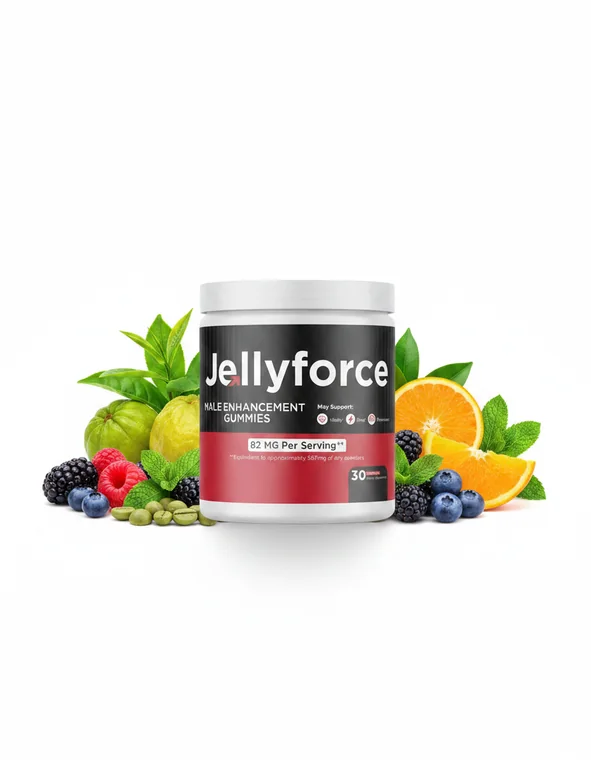
Jelly Force vs Ozempic and the wider GLP-1 class
GLP-1 receptor agonists mimic a natural gut hormone that helps regulate appetite and the feeling of fullness. Semaglutide is the active ingredient behind Ozempic (approved for type 2 diabetes) and Wegovy (approved for weight management), while tirzepatide powers Mounjaro and Zepbound. The reason they dominate the conversation is simple: the trial numbers are large. In their pivotal studies, semaglutide (Wegovy) produced an average loss of around 14.9% of body weight, and tirzepatide (Zepbound) reached up to roughly 21% at the highest dose. For someone carrying a lot of excess weight, those are figures a supplement simply cannot match, and it would be dishonest to suggest otherwise.
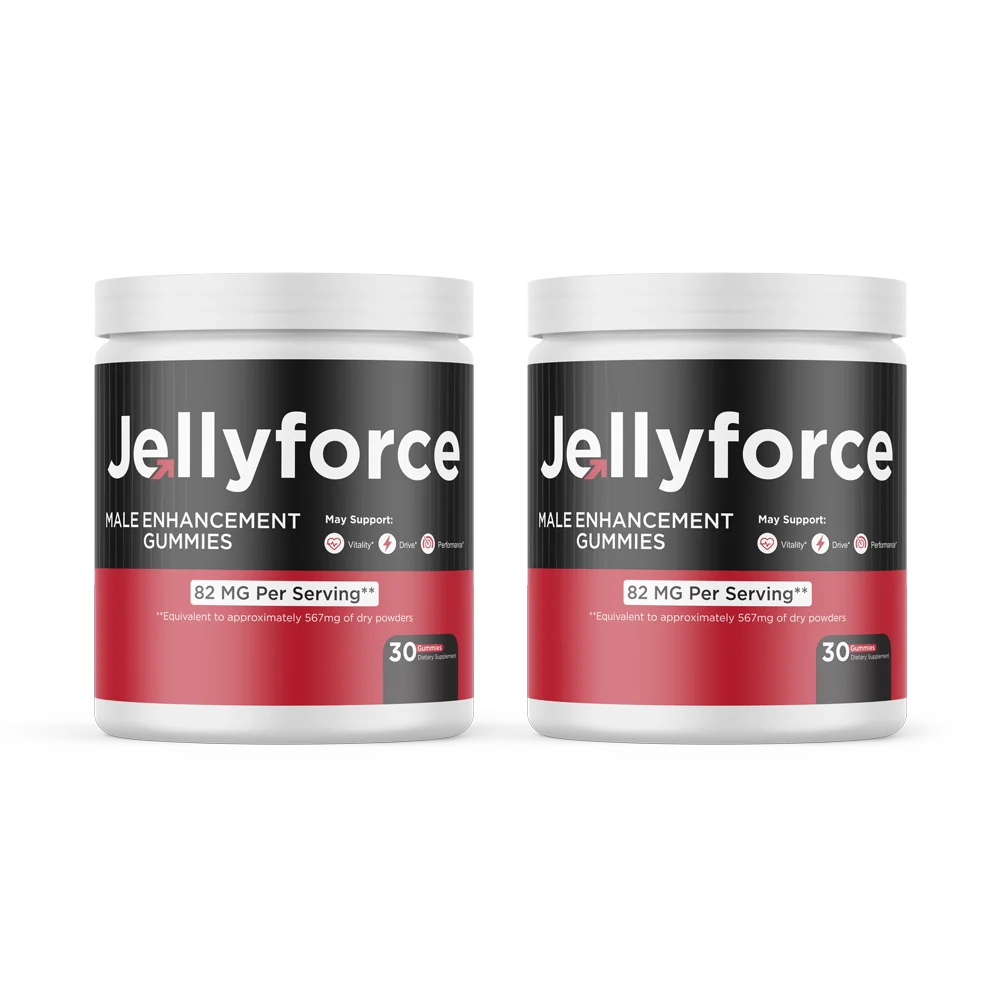
Jelly Force plays a different position on the field. It is a plant-based gummy sold as a 30-day supply per bottle, made in a United States facility that follows Good Manufacturing Practice standards. Its job is to make the daily grind of eating a little less and moving a little more feel slightly easier to sustain, not to reprogram appetite hormones the way a GLP-1 drug does. Natural weight-loss supplements as a category are typically associated with modest, single-digit-pound changes over a couple of months when they are paired with diet and activity. That is the honest ballpark, and Jelly Force lives inside it rather than above it.
The effectiveness gap, stated without spin
Here is the comparison the marketing on both sides tends to blur. On raw effect size, the prescription GLP-1 drugs win, and it is not close. A double-digit percentage of body weight is a different scale of outcome from a handful of pounds. If your only question is "which produces more weight loss on average," the answer is the drug. Anyone selling you a gummy as equivalent to Wegovy is overclaiming, and you should trust them less for saying it.
But effect size is not the only variable that matters to a real person. GLP-1 medicines require a prescription and medical oversight, and they commonly cause gastrointestinal side effects, nausea, constipation, diarrhoea and reflux are among the most reported, especially while the dose is being increased. They also carry a meaningful cost and, for many, a supply-and-insurance headache. A natural gummy asks none of that. It is bought freely, it does not put a drug into your system, and its role is supportive rather than clinical. The right way to read the Jelly Force vs Ozempic question is therefore not "which is stronger" but "which trade-off fits my goals, my health status and my budget." For a fuller sense of how slow and modest the supplement side of that trade-off really is, our weight-loss supplement timeline and what to expect week by week lays out the realistic curve.
| Factor | Prescription GLP-1 (Ozempic / Wegovy / Zepbound) | Jelly Force (natural gummy) |
|---|---|---|
| Category | Prescription medicine | Dietary supplement |
| Typical average loss | ~14.9% (Wegovy) up to ~21% (Zepbound) in trials | Modest, single-digit pounds with diet + activity |
| Access | Requires a prescriber and monitoring | Bought without a prescription |
| Common side effects | Nausea, constipation, diarrhoea, reflux | Not a drug; used as lifestyle support |
| Cost | Often hundreds to $1,000+ per month without cover | Consumer supplement bundle pricing |
| Best framed as | Medical treatment under a doctor | Support for a calorie-controlled routine |
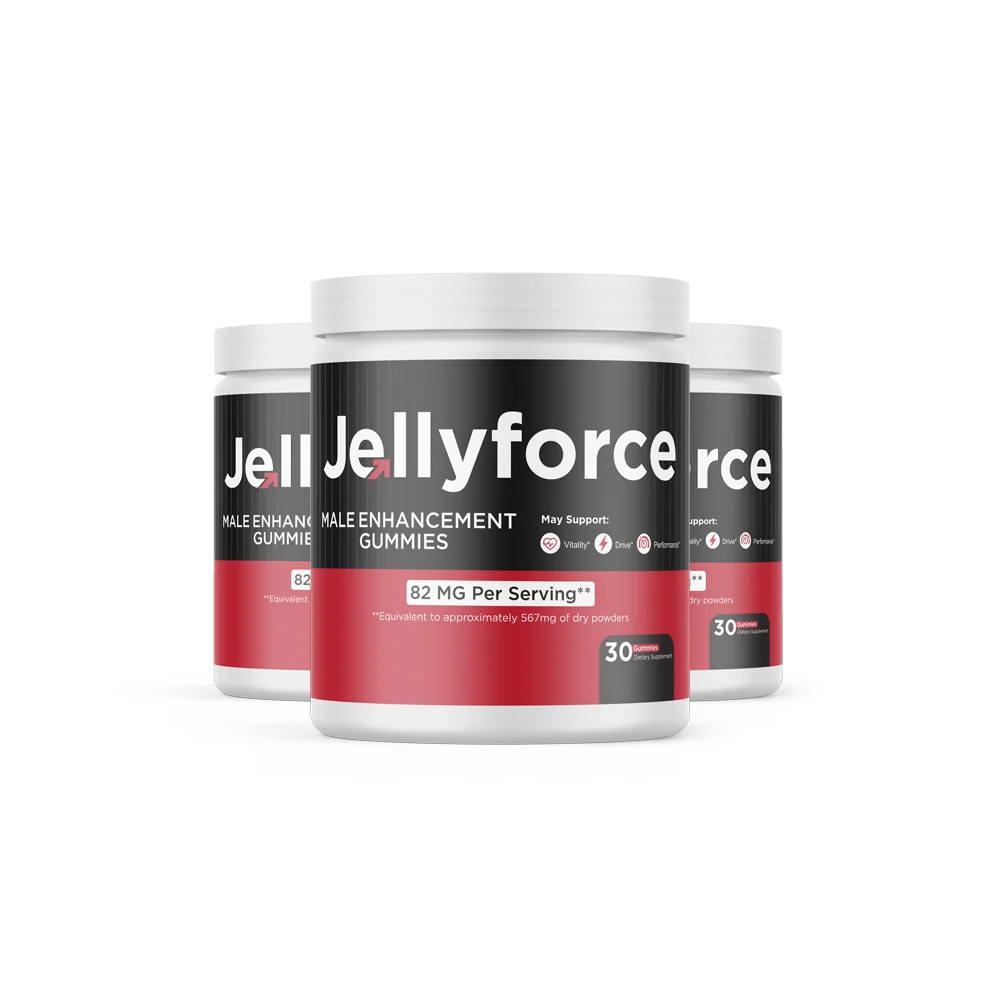
See the current Jelly Force offer
Official store pricing, multi-bottle bundles and a money-back guarantee on official orders. Jelly Force is a natural weight-management gummy, not a GLP-1 drug, and makes no disease claims.
Get OfferThree myths that make this comparison confusing
Myth one: "A natural gummy is basically a cheaper Ozempic." This is the most damaging misunderstanding, and it sets people up to feel cheated. Jelly Force is not a low-cost version of a GLP-1 drug; it is a different product doing a different job. Semaglutide is a specific molecule that acts on hormone receptors and was studied for that purpose. A plant-based supplement is not that molecule and does not behave like it. The gummy is cheaper because it is a supplement, not because it is a discounted medicine, and expecting drug-scale results from it is the fastest route to a one-star review.
Myth two: "If the drug is stronger, the supplement is pointless." Effect size is only relevant once access, cost, side effects and personal goals are on the table. Plenty of people either do not qualify for a GLP-1 prescription, do not want to inject a medicine, cannot absorb the monthly cost, or simply want to lose a modest amount and support better habits. For that person, a supportive supplement paired with a sensible plan is a rational choice, not a consolation prize. Different tools, different jobs.
Myth three: "Supplements are unregulated so the label means nothing." Supplements are regulated, just under a lighter framework than drugs. The manufacturer is responsible for safety and honest labelling, and the standard disclaimer applies. Jelly Force can legitimately point to being made in a US facility under Good Manufacturing Practice standards, which govern cleanliness and consistency in production. It cannot claim FDA approval, because the FDA does not approve any dietary supplement, and any brand that says it does is a brand to distrust. If you want the honest, experience-led read on the gummy itself, our companion piece on whether Jelly Force actually works and what real reviews measure unpacks who tends to be satisfied and who tends to be disappointed.
Cost and commitment: the part budgets actually feel
The dollars-and-cents gap is where the Jelly Force vs Ozempic decision becomes concrete for most households. Branded GLP-1 drugs frequently run from several hundred to well over a thousand dollars a month without insurance coverage, and that is before the cost and time of prescriber visits and dose titration. Coverage exists for some people, particularly through a diabetes diagnosis, but access is uneven and prior authorisation is common. It is a real, ongoing medical commitment, not a one-off purchase.
Jelly Force sits at the opposite end. It is priced like a consumer supplement, with the per-bottle cost falling on the larger bundles, and official orders carry a money-back guarantee. There is no prescriber appointment, no injection schedule and no titration. If you want to see how the per-day figure works out across the different pack sizes, our Jelly Force cost and price-per-bottle breakdown walks through the maths. The honest headline is that the gummy is far cheaper, and that lower price buys a lower-risk, lower-commitment form of support, not the same outcome as a medicine.
The most useful question is never "which is stronger." It is "which trade-off, on effect, cost, side effects and access, actually fits the result I want and the situation I am in."
Who each option genuinely suits
A GLP-1 drug tends to make sense for someone who has a significant amount of weight to lose, who has spoken with a clinician, who can tolerate the side-effect profile, and who can either afford the cost or secure coverage. In that context, under medical supervision, the large average loss is exactly the point. This is a medical decision, and it should be made with a prescriber, not a blog.
A natural gummy like Jelly Force tends to suit someone with a more modest goal, who wants to support better eating and daily movement rather than start a medication, who prefers to avoid prescriptions and injections, and who wants a low-cost, low-commitment option they can start today. Used that way, honestly and with realistic expectations, it is a reasonable supporting tool. Used as a pretend substitute for a drug, it will disappoint, because that was never its job. If you are still mapping the wider landscape of non-prescription options, our roundup of the best natural fat burners of 2026 compared puts several supplement approaches side by side.
The honest verdict
On pure weight-loss firepower, prescription GLP-1 drugs beat any natural supplement, and it is not a contest, Wegovy's roughly 14.9% and Zepbound's up-to-21% average loss are a different order of result. But that firepower comes bundled with a prescription requirement, gastrointestinal side effects, real ongoing cost and medical oversight. Jelly Force is not competing on that axis at all. It is a natural, non-prescription gummy meant to make a sensible diet and activity plan a little easier to keep, at a fraction of the price and with none of the medical commitment. If your goal is large, medically driven loss, talk to a doctor about a GLP-1 medicine. If your goal is modest loss and daily support for better habits, a supplement is a fair, honest choice, provided you hold realistic expectations and treat it as support rather than a miracle.
Frequently asked questions
Is Jelly Force like Ozempic?
No. Ozempic is a prescription GLP-1 drug (semaglutide) that a doctor must prescribe, while Jelly Force is a natural dietary supplement gummy. They belong to different legal categories and work in different ways. Ozempic acts on appetite-signalling hormones as a medicine; Jelly Force is a plant-based product designed to support a calorie-controlled diet and activity, not to replicate a drug's effect.
Can a supplement replace GLP-1 drugs?
No dietary supplement replaces a GLP-1 medication. GLP-1 drugs are approved medicines studied in clinical trials for specific medical use; supplements are lifestyle support under a different, lighter standard. If a doctor has recommended a GLP-1 drug for a medical reason, a gummy is not an equivalent substitute. A supplement can sit alongside sensible habits, but it does not do what a prescription medicine does.
Which is more effective, Jelly Force or Wegovy?
In trials, prescription GLP-1 drugs produce far larger average loss, with semaglutide (Wegovy) around 14.9 percent of body weight and tirzepatide (Zepbound) up to about 21 percent. Natural supplements like Jelly Force are associated with far more modest, single-digit-pound changes when paired with diet and exercise. On raw effect size the drug wins; the trade-offs are prescription access, cost and side effects.
Is Jelly Force cheaper than prescription weight loss drugs?
Generally yes. Branded GLP-1 drugs can cost many hundreds to over a thousand dollars a month without insurance, plus prescriber visits. Jelly Force is priced as a consumer supplement with lower per-bottle bundle pricing and a money-back guarantee on official orders. Lower cost does not mean equal results; it means a lower-risk, lower-commitment option for people who want lifestyle support rather than a medicine.
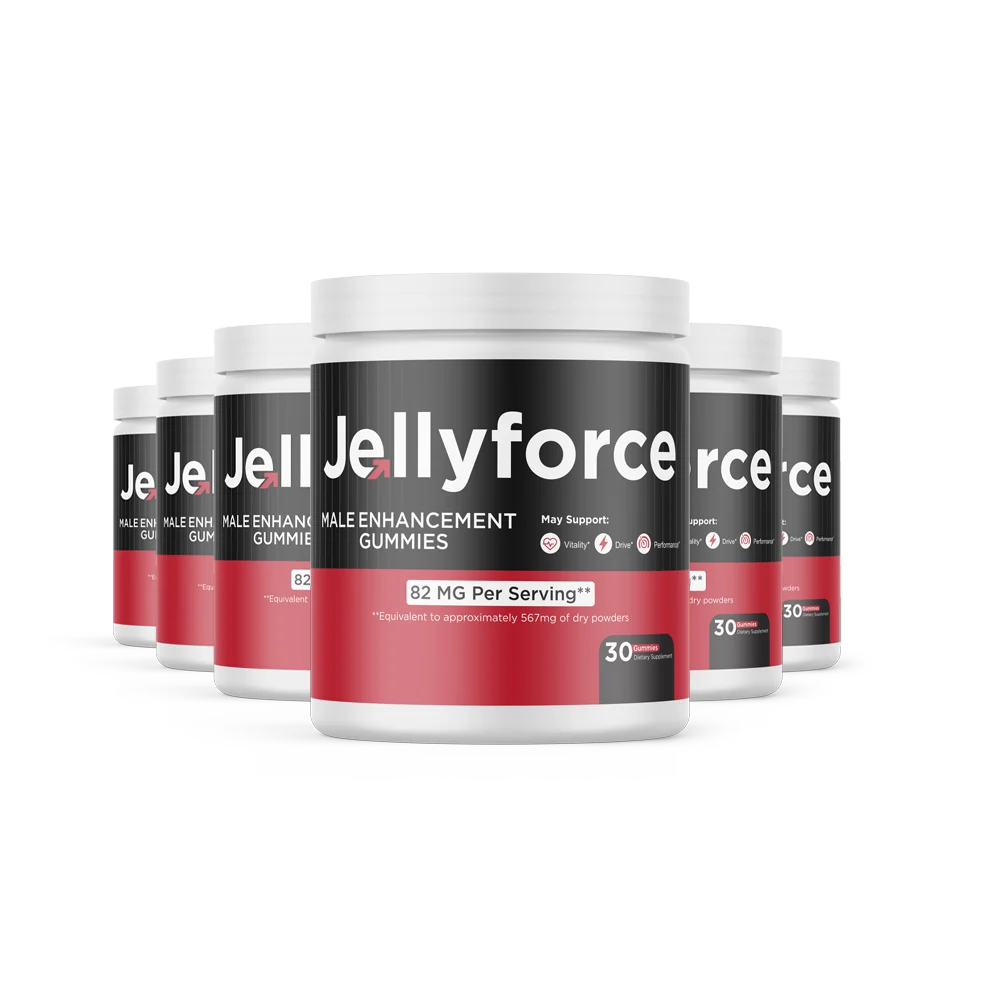
Prefer the low-commitment, natural route?
The official store lists current bundle pricing, shipping terms and the money-back guarantee that applies to official orders. It is the only source we link to. Jelly Force is a supplement, not a GLP-1 drug.
Get OfferRelated reading
Jelly Force Reviews: Does It Really Work?
What the gummies can realistically do, what real reviews actually measure, and who tends to be satisfied.
Jelly Force Cost: Price Per Bottle Breakdown
How the bundle packages compare, the cost per day, and why multi-bottle packs lower the per-bottle price.
Weight-Loss Supplement Timeline: What to Expect
Why the first weeks look flat, when the trend usually appears, and how to judge a fair eight-week trial.
Best Natural Fat Burners 2026, Compared
Several non-prescription supplement approaches lined up on ingredients, honesty and realistic results.