Gut Health Supplements IBS: What the Trial Evidence Actually Shows
Quick answer
Trials of probiotics in irritable bowel syndrome are numerous, small and inconsistent. Pooled together they hint that some products may ease overall symptoms in some people, but the research has never identified which strain, which dose or which symptom pattern, which is why several gastroenterology bodies stop short of recommending them outside a clinical trial.
- What is unresolved: strain, dose, duration and who responds. Almost everything, in other words, that you would need to shop confidently.
- Better-supported levers: soluble fibre such as psyllium, enteric-coated peppermint oil, and a properly supervised low FODMAP trial.
- Sensible test: one product, at the stated dose, for four weeks, with a written symptom diary. Then stop if nothing changed.
Irritable bowel syndrome affects a large share of adults, it waxes and wanes for reasons nobody can predict, and there is no test that confirms it. Those three facts together explain almost everything about the supplement market that has grown around it, including why that market can be simultaneously enormous and evidentially thin.
The gut health supplements IBS shoppers are steered towards are overwhelmingly probiotics, with fibres and digestive enzymes filling the rest of the shelf, so that is where most of this piece sits. What follows is a plain accounting of what has been tested in humans, what the results looked like, and why the honest summary is less satisfying than either the advertising or the sceptics would like. Nothing here is medical advice, and no dietary supplement may claim to treat or cure a condition.
What IBS is, and why it defeats clean research
IBS is diagnosed on symptoms: recurrent abdominal pain associated with defecation or with a change in stool frequency or form, present over months, with other causes excluded. Clinicians sort it into subtypes by stool pattern — constipation predominant, diarrhoea predominant, mixed — and those subtypes behave differently enough that lumping them into one trial arm blurs any real effect.
The underlying biology is plural rather than singular. Visceral hypersensitivity, altered gut motility, changes in the gut-brain axis, low-grade immune activation, bile acid handling, and a post-infectious onset in a subset of people all appear in the literature, and different people plainly have different drivers. A single capsule aimed at a single mechanism is unlikely to work for everyone even in principle.
Then there is the natural history. Symptoms flare and settle on their own. Anyone who buys a supplement during a bad fortnight is statistically likely to feel better over the following month regardless of what they swallowed, because that is what regression to the mean does. This is not a reason to dismiss anyone's experience. It is the reason trials need control groups.
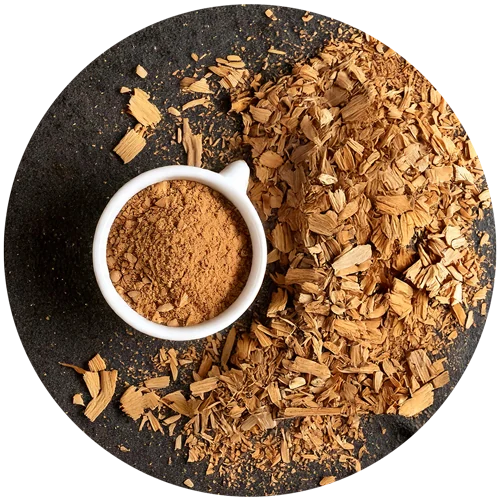
Gut health supplements IBS trials have actually tested
The bulk of the research is on probiotics, and the bulk of that research shares a shape: a few dozen to a few hundred participants, four to twelve weeks, a global symptom score as the primary outcome, and a product supplied by the company that makes it. Individually many of these trials report a benefit. Collectively they do not converge.
Pooled analyses have tended to conclude that probiotics as a class may improve global IBS symptoms compared with placebo, while flagging substantial heterogeneity between studies and a real risk of publication bias — small trials that find nothing are less likely to be written up. The authors of those analyses are usually careful to add that the pooling itself is questionable, because combining eight different organisms at eight different doses into one estimate produces a number that describes no product you can buy.
Professional guidance has landed on the cautious side. The American College of Gastroenterology's IBS guidance advises against using probiotics for global symptom relief, citing exactly this inability to identify what works. The American Gastroenterological Association reached a similar conclusion for most digestive complaints, finding the evidence insufficient to recommend for or against. In the UK, health service guidance is more permissive in tone: if someone chooses to try a probiotic, take it for at least four weeks at the dose the manufacturer states, and monitor the effect. That is guidance about how to run a personal experiment, not an endorsement that it will work.
Two other categories appear in the same aisle and deserve separating out. Digestive enzymes have specific, narrow uses — lactase for diagnosed lactose intolerance, prescription pancreatic enzymes for pancreatic insufficiency — and no established role in IBS generally. Prebiotic fibres are a genuine mixed bag here: fermentable fibres feed bacteria, fermentation produces gas, and gas is the exact symptom many people with IBS are trying to reduce.
Reading the label: genus, species, strain
Probiotic research is strain-specific in a way the shelf rarely reflects. A strain designation is the alphanumeric code after the species name, and it identifies the exact organism that was fed to the people in the study. Two products can both say Lactobacillus plantarum and contain organisms with meaningfully different behaviour.
| Option | Typical form and amount in studies | What was measured | Strength of evidence for IBS |
|---|---|---|---|
| Single-strain probiotic | Capsule, commonly billions of colony-forming units daily for 4–12 weeks | Global symptom score, bloating, pain | Mixed. Some positive trials, rarely replicated by independent groups |
| Multi-strain blend | Capsule or sachet, split between species usually undisclosed | Global symptom score | Mixed and harder to interpret, since the blend itself is the untested unit |
| Soluble fibre (psyllium or ispaghula) | Powder, several grams daily, increased gradually | Global symptoms, stool form | Among the more consistent findings in the field, particularly where constipation predominates |
| Insoluble fibre (wheat bran) | Bran, grams daily | Global symptoms | Generally unhelpful and can worsen symptoms in some people |
| Enteric-coated peppermint oil | Capsule, taken before meals for several weeks | Abdominal pain, global symptoms | Reasonable short-term support; heartburn is a recognised side effect |
| Low FODMAP diet | Not a supplement. Structured elimination then reintroduction, ideally dietitian-led | Symptom severity scores | The best-supported dietary approach, but demanding and not intended to be permanent |
Note what that table is really telling you. The two interventions with the most consistent support are a cheap fibre and a structured diet, neither of which anyone has a strong commercial reason to advertise to you.
The placebo problem, which is bigger here than almost anywhere
IBS trials are notorious for high placebo response. A substantial proportion of people given a dummy capsule report meaningful improvement, and in some studies that proportion approaches the response in the active arm. The reasons are not mysterious: the outcome is self-reported, the condition fluctuates, participation involves attention and structure, and the gut-brain axis is a real physiological pathway rather than a figure of speech.
This has two consequences worth holding onto. First, a trial needs to be reasonably large to distinguish a modest true effect from placebo noise, and most probiotic trials in this field are not. Second, your own experience of feeling better on a product is genuine and also uninformative about the product, which is an uncomfortable sentence to write and a necessary one.
The question is never "did I feel better after taking it". It is "would I have felt better anyway" — and the only instrument that answers that is a control group you were not part of.
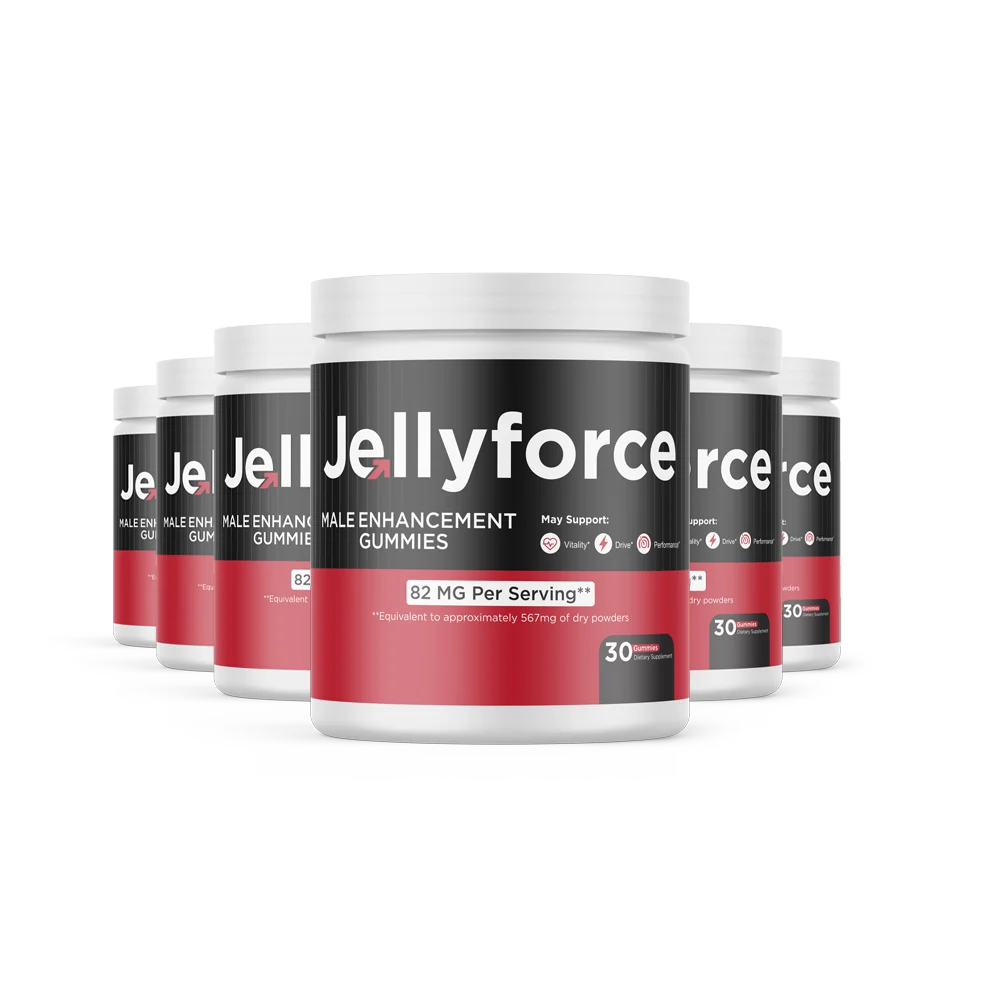
See the current Jelly Force offer
Official store pricing, free US shipping on 3 and 6 bottles, 60-day money-back guarantee. Jelly Force is a botanical vitality gummy and makes no digestive claims.
Get OfferHow to run a fair four-week test on yourself
If you are going to try something, run it in a way that can produce an answer. Most people do not, and then spend years cycling through products with no accumulated knowledge.
- One variable at a time. Starting a probiotic, a fibre and a new diet in the same week guarantees you learn nothing.
- Write down a baseline first. A week of daily notes before you start: pain, bloating, stool form, and how many days were bad. Memory reconstructs the past to match the present.
- Four weeks at the stated dose. Shorter is too short to see through normal fluctuation; much longer without change is just spending.
- Decide the stopping rule in advance. Write down now what improvement would count as success. Deciding afterwards is how people talk themselves into a repeat purchase.
- Stop and see. If it helped, stopping for two weeks is the cheapest confirmation available.
One genuine advantage the gut health supplements IBS forums argue about do have is that they are cheap enough to test this way, which is not true of most medical interventions. Comparing the best gut health supplement for bloating and constipation across brands is mostly a matter of reading panels rather than front labels, and a product that will not name its strains has already answered the important question. If you are shopping for a best gut health daily supplement to take indefinitely, the case for indefinite use is weaker still — almost none of this research ran longer than a few months.
What gut supplements cannot do for IBS
They cannot diagnose it. A supplement cannot tell you whether what you have is IBS, coeliac disease, inflammatory bowel disease, bile acid malabsorption, a food intolerance or something else entirely, and several of those are genuinely consequential to miss. Coeliac testing in particular has to happen while you are still eating gluten, so self-experimenting with elimination diets first can make a diagnosis harder to reach.
They cannot treat, cure or prevent any disease, and no legitimate seller may say otherwise. What a dietary supplement may lawfully describe is support for normal function, in careful language, with the standard disclaimer attached.
And they cannot substitute for assessment when there are red flags. Rectal bleeding, unintentional weight loss, iron deficiency anaemia, fever, a family history of bowel cancer or inflammatory bowel disease, and new symptoms beginning after the age of fifty are all reasons to see a doctor rather than to open a browser tab.
One more limit, less discussed: the products are not standardised between batches in the way a drug is. Live organism counts decline over shelf life, storage temperature matters for many preparations, and independent testing has found mismatches between panel and contents. Third-party certification is the only practical check a shopper has.
Where this leaves a reasonable person
Somewhere unglamorous. The interventions with the best support for IBS symptoms are dietary and behavioural: a structured low FODMAP trial with reintroduction, soluble fibre titrated up slowly, regular meals, sleep, activity, and for many people gut-directed psychological approaches that treat the gut-brain axis as the two-way system it is. Enteric-coated peppermint oil has decent short-term support for pain. Probiotics sit below all of those: plausible, low risk for most healthy adults, unproven in any specific form.
That is not a reason never to try one. It is a reason to try one cheaply, one at a time, with a diary, and to stop when it does nothing. The same discipline we apply to the Jelly Force ingredient label applies here — a product that publishes real numbers can be assessed, and one that publishes a proprietary blend cannot. For the same reasoning applied to a different situation, our piece on gut health supplements after antibiotics covers the one setting where the timing evidence is reasonably clear, and gut supplements and acne looks at a much earlier-stage literature.
Frequently asked questions
How long should you try a probiotic for IBS before deciding?
UK health service guidance suggests giving one product at least four weeks at the dose the manufacturer states, while keeping a simple symptom diary. Trying several products at once makes it impossible to tell which one did anything. If four weeks brings no change that you can point to in writing, stop and try something else.
Which probiotic strain is best for IBS?
No strain has enough consistent evidence to be named the best one. Trials have used single strains and blends with very different results, and the products that performed well in one study have often not been retested by anyone independent. Anyone claiming a single correct strain is going beyond what the data supports.
Do gut supplements help bloating in IBS?
Some trials report improvement in bloating and gas scores, and those are among the more commonly reported positive findings. The results are inconsistent across products and the studies are mostly short. Soluble fibre and a supervised low FODMAP trial have more consistent support for that specific complaint.
Can a supplement replace medical care for IBS?
No. IBS is a clinical diagnosis that requires ruling out other conditions, and dietary supplements cannot diagnose, treat, cure or prevent any disease. Bleeding, unexplained weight loss, fever, anaemia, a family history of bowel disease or symptoms starting after the age of fifty all need a doctor rather than a capsule.
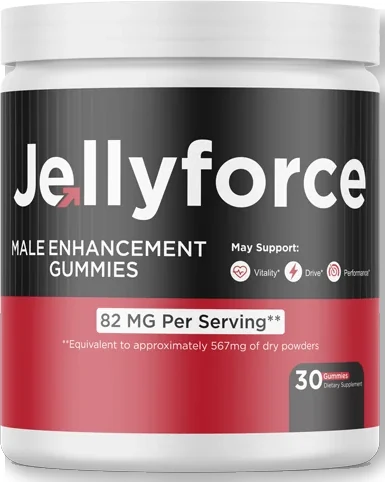
Where to buy Jelly Force
If you came here for the vitality gummy rather than the gut research, the official store is the only source we link to. Current offer, shipping terms and the 60-day guarantee are shown there.
Get Offer