L-Carnitine and Fat Transport: The Evidence
Does L-carnitine actually help you lose fat?
L-carnitine shuttles fatty acids into your mitochondria so they can be burned for energy. In trials it produces a modest reduction in weight and fat mass, broadly comparable to green tea extract or Garcinia cambogia, and the effect is clearest when it is paired with regular training rather than taken on its own.
- The mechanism: it carries long-chain fats across the mitochondrial membrane for oxidation.
- The size of the effect: modest and additive, not dramatic or standalone.
- The dose that matters: commonly two to three grams a day, taken with a meal and with exercise.
Few supplement ingredients get described in language quite as heroic as L-carnitine. It is the “fat-transporter,” the molecule that carries fat off to be burned, and the story is genuinely true — which is exactly why it is worth reading carefully. The gap between what L-carnitine weight loss claims imply and what the mechanism actually delivers is where most of the confusion lives. Yes, carnitine moves fat into the furnace. No, moving it faster does not mean you burn more of it unless the rest of the system is asking for that fuel. This article walks the whole chain, from the biochemistry to the human trials, and lands on an honest verdict about the size of the effect. Nothing here is medical advice, and no supplement can diagnose, treat, cure or prevent any condition.
Jelly Force appears in this piece as one example of a botanical gummy people take alongside a calorie-controlled routine, not because any single ingredient overrides energy balance. It does not. The value of understanding carnitine is that it lets you judge a fat-loss formula on what its actives can plausibly do, rather than on the confidence of the marketing.
What L-carnitine is and where it comes from
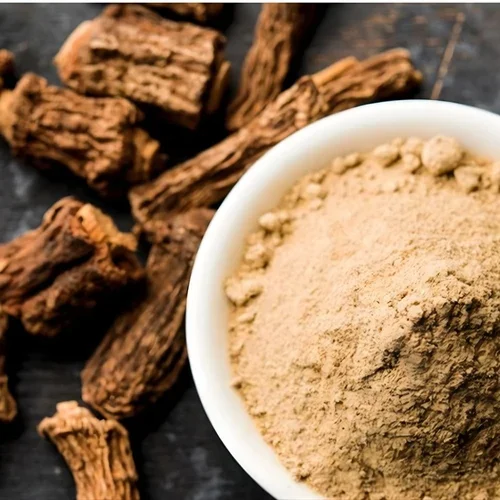
L-carnitine is a compound your body already makes, primarily in the liver and kidneys, from the amino acids lysine and methionine. You also get it from food, with red meat being by far the richest dietary source — the very word carnitine comes from the Latin for flesh. Because your body synthesises it and healthy people rarely run short, carnitine is not classed as an essential nutrient in the way a true vitamin is. That single fact already tells you something important about supplementation: adding more of a substance you are not deficient in produces smaller effects than fixing an actual shortfall would.
The supplement world uses several forms — L-carnitine L-tartrate, acetyl-L-carnitine, propionyl-L-carnitine and plain L-carnitine among them — and they are marketed for slightly different purposes, from exercise recovery to cognitive support. For the fat-loss conversation, the relevant property they share is the core shuttle function, and that is the mechanism worth understanding before you weigh any of the claims stacked on top of it.
The mechanism: how L-carnitine moves fat
Here is the part that is unambiguously real. Fat is stored and transported as fatty acids, and long-chain fatty acids — the most common kind — cannot cross the inner membrane of the mitochondria on their own. The mitochondria are the tiny power plants inside your cells where fuel is actually oxidised, and that inner membrane is a strict border. L-carnitine is the passport. Through a set of enzymes known as the carnitine shuttle, carnitine binds a long-chain fatty acid, ferries it across the membrane, releases it inside where it can undergo beta-oxidation, and then returns to collect the next one.
Without adequate carnitine, that transport step becomes a bottleneck and long-chain fats simply cannot be used as fuel efficiently. This is why the mechanism sounds so compelling in an advertisement: it is literally the gatekeeper for burning fat. The catch, and it is the whole catch, is that in a healthy, well-nourished person that gate is not usually the limiting factor. Your cells already have enough carnitine to handle the fatty acids that demand presents them. Adding more carnitine widens a gate that was not the narrow part of the road.
Carnitine controls whether fat can enter the furnace. It does not decide how hot the furnace is burning — that is set by your energy deficit and your activity, not by the size of the doorway.
What the L-carnitine weight loss trials actually show
This is where honesty earns its keep. Human trials on L-carnitine and body weight do exist, several have been pooled into meta-analyses, and the picture is consistent enough to summarise plainly: supplementation tends to produce a small but statistically detectable reduction in body weight and fat mass compared with placebo. “Small” is the operative word. The averaged effect across studies typically amounts to a modest number of pounds, not a transformation, and it sits in the same broad range of effectiveness as other popular natural actives such as green tea extract and Garcinia cambogia.
That comparison is useful precisely because it is deflationary. None of those ingredients is a magic bullet, and grouping carnitine with them sets a realistic expectation: a helpful nudge layered on top of the real drivers, not a substitute for them. It is also worth noting the usual caveats that apply to this whole literature. Many trials are short, several are small, participant populations vary, and some studies were conducted in people with specific metabolic conditions rather than healthy adults, which complicates how far the results generalise. The direction of the evidence is reasonably consistent; the magnitude is modest and the certainty is moderate.
| Active | Proposed mechanism | Typical trial effect on weight | Honest verdict |
|---|---|---|---|
| L-carnitine | Shuttles fatty acids into mitochondria for oxidation | Small reduction vs placebo, clearest with exercise | Modest, additive, best paired with training |
| Green tea extract (EGCG) | Supports fat oxidation and modest thermogenesis | Small reduction vs placebo | Comparable modest helper |
| Garcinia cambogia | Purported appetite and fat-storage effects | Small and inconsistent | Weakest and least reliable of the three |
If you want the deeper dive on one of those comparators, our breakdown of green tea EGCG, fat oxidation and the dose that matters shows how similar the honest verdict looks once you strip away the packaging language.
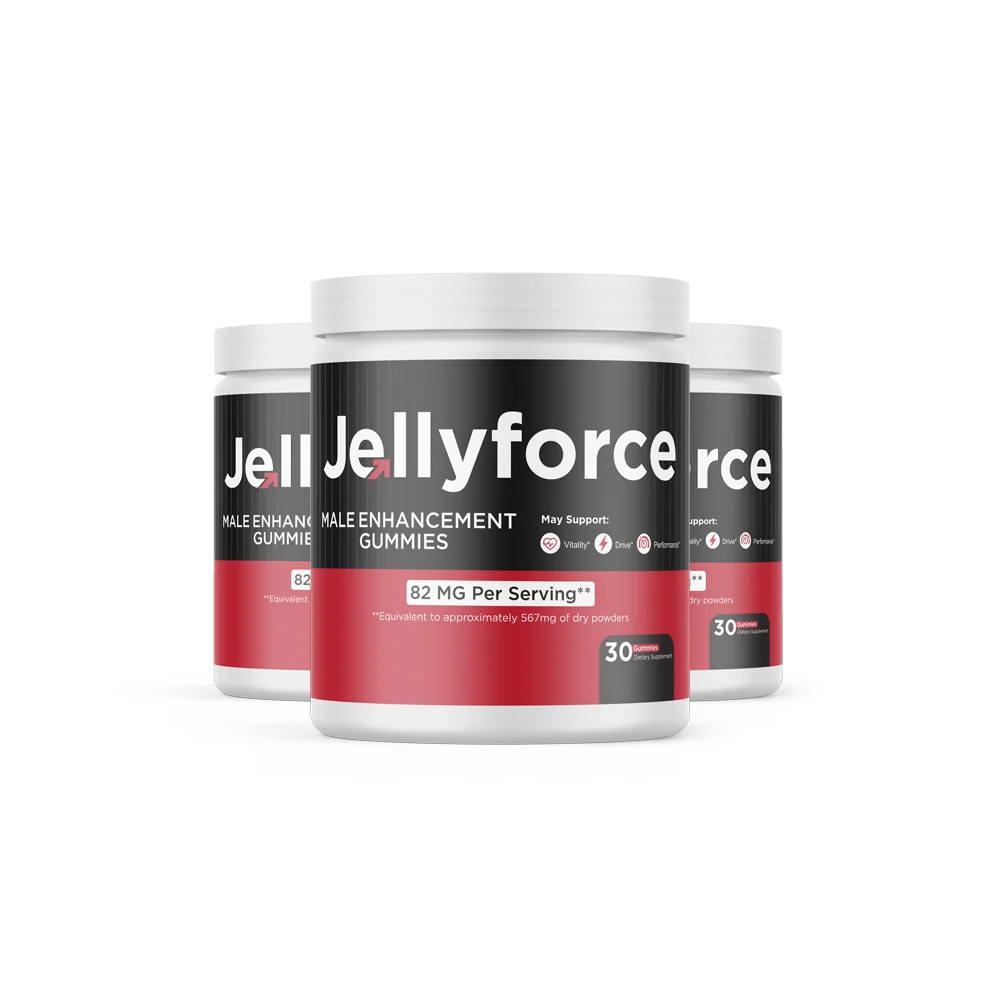
Prefer your actives in a daily gummy?
Jelly Force packages fat-metabolism support into an everyday botanical gummy meant to sit alongside a reduced-calorie plan and regular training. Official store pricing, free US shipping on 3 and 6 bottles, and a 60-day money-back guarantee.
Get OfferWhy it works best with exercise
The single most important qualifier in the carnitine literature is that the effect is clearest when supplementation is paired with training, and the mechanism explains why. Exercise increases the demand for fatty acids as fuel. When your muscles are actually calling for fat to burn, having ample carnitine available to shuttle that fat across the mitochondrial membrane is genuinely useful. Sitting still, your fuel demand is low, so the widened gate has little traffic to move and the supplement has little to do. The ingredient does not create demand for fat; it services demand that your activity is already generating.
This reframes carnitine's role helpfully. It is best understood as an exercise-adjacent supplement rather than a passive fat-loss pill. The people most likely to see its modest benefit are those who are already training and already in a calorie deficit — the people, in other words, who are going to lose fat regardless, with carnitine possibly making the process a touch more efficient. If you are drawn to fat-metabolism actives specifically because you cannot tolerate stimulant-heavy pre-workouts, carnitine belongs on the shortlist alongside the other stimulant-free fat burner options worth considering, since it is not a stimulant and will not touch your sleep or leave you jittery.
Dose, timing and uptake
Across the trials that report a benefit, the doses cluster around two to three grams of L-carnitine per day, frequently split into two servings. There is a practical wrinkle to absorption that is worth knowing: oral carnitine is not taken up especially efficiently on its own, and research suggests that taking it with a carbohydrate-containing meal — which raises insulin — improves muscle carnitine retention. That is the reasoning behind the common advice to take it with food and, for those who train, before a workout. Timing is a minor lever, though; consistency across weeks matters far more than the exact hour you swallow it.
More is not better. Pushing well past the studied range does not reliably improve results and tends to bring digestive side effects such as nausea, cramping or a fishy body odour at high intakes. As with any supplement, the label on your specific product is the instruction that governs, and anyone taking prescription medication or managing a health condition should clear it with a doctor first — carnitine can interact with certain medications and is not appropriate for everyone.
Three myths worth retiring
Myth one: carnitine burns fat by itself. It does not. It enables fat to be burned when demand exists. Without a calorie deficit and activity creating that demand, the shuttle has nothing to shuttle toward a net loss. The gate matters only when there is traffic wanting to move through it.
Myth two: more carnitine equals more fat loss. The dose-response flattens quickly. Once your cells have enough to service demand, additional carnitine does not proportionally increase fat oxidation, which is why the trial doses converge on a modest range rather than climbing endlessly.
Myth three: it replaces the hard part. It is an additive helper, full stop. The honest framing — the same one we apply when we read the full Jelly Force ingredient label for what its numbers can and cannot buy — is that carnitine is a reasonable supporting actor in a plan built on diet and exercise, and a poor lead. Any product that sells it as the lead has misrepresented the biology.
So, is it worth taking?
For someone who is already training, already in a modest calorie deficit, and looking for a low-risk active that might make the process marginally more efficient, L-carnitine is a defensible choice with a plausible mechanism and a consistent, if small, body of supporting evidence. For someone hoping a capsule will dissolve fat while the diet and the gym go untouched, it will disappoint, as every honest active in this category will. The value is real and the value is limited, and both halves of that sentence deserve equal weight. Judge any fat-loss formula, Jelly Force included, by whether it respects that distinction or pretends it does not exist.
Related reading
Frequently asked questions
Does L-carnitine help with weight loss?
It can contribute a modest amount. Controlled trials and pooled analyses tend to show small reductions in body weight and fat mass compared with placebo, in the same broad range as green tea extract or Garcinia cambogia. It is a helper on top of a calorie deficit and training, not a standalone fat-loss agent.
How does L-carnitine burn fat?
L-carnitine acts as a shuttle. It binds long-chain fatty acids and carries them across the inner mitochondrial membrane, where they are broken down for energy in a process called beta-oxidation. Without enough carnitine those fatty acids cannot enter the mitochondria efficiently, so the nutrient supports fat being used as fuel rather than forcing it.
What is the L-carnitine dose for fat loss?
Trials most often use around two to three grams of L-carnitine per day, frequently split into two doses and taken with a carbohydrate-containing meal to aid uptake. Higher doses do not reliably work better and can cause digestive upset. Always follow the label on your specific product and check with a doctor if you take medication.
Should I take L-carnitine before exercise?
It is a reasonable habit because the benefit shows up most clearly when carnitine is paired with training, and a pre-workout dose with a meal supports uptake. That said, consistency across the day matters more than exact timing. The nutrient works best as part of a routine that already includes regular exercise and a calorie deficit.
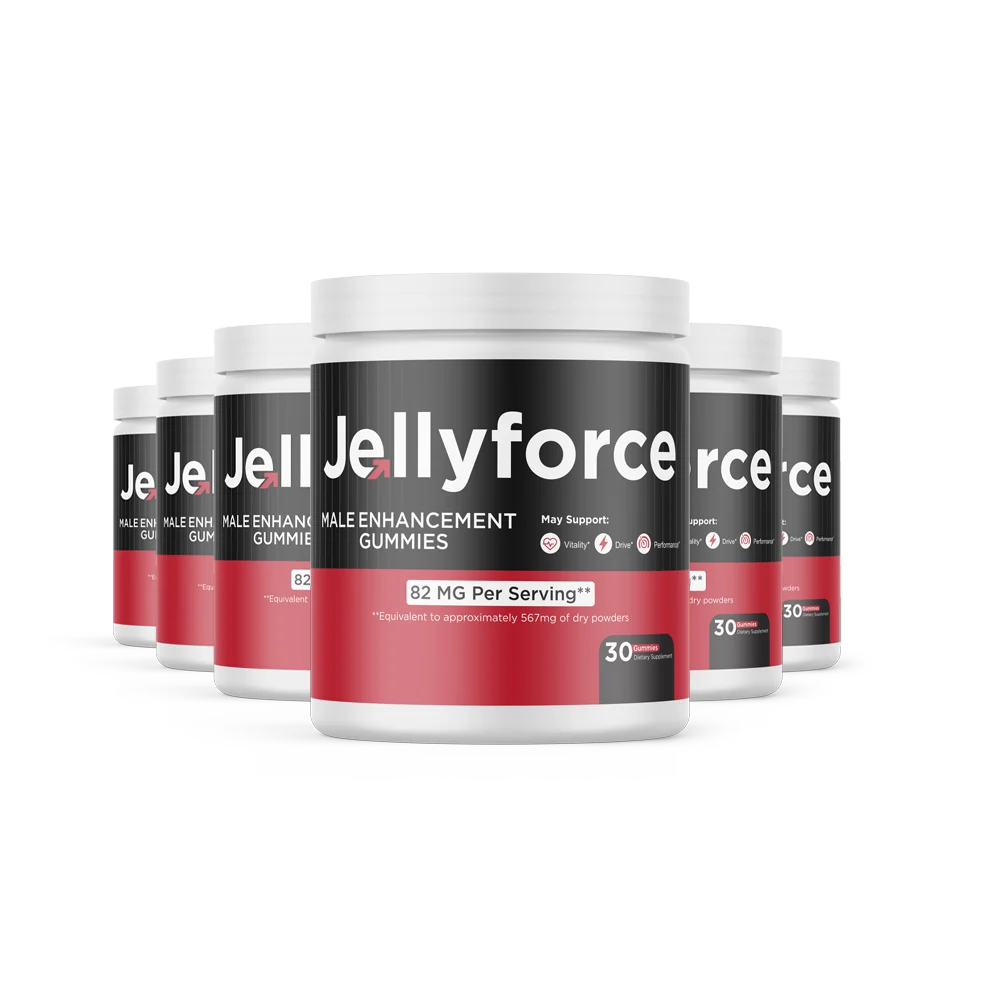
See the current Jelly Force offer
The official store is the only source we link to, with current pricing, shipping terms and the 60-day money-back guarantee shown there. Jelly Force is a botanical gummy meant to support a diet-and-exercise routine, not to replace one.
Get Offer