Lot references change between orders
Two jars bought months apart will usually carry different lots. That is how production works, not a sign of anything.
Official product information
Lot JEL-26/JA-3656, certificate reference JEL-3656-26-JA, and an honest account of what a draft reference does and does not tell you.
Written and reviewed by the Jellyforce Editorial Desk · Last updated September 22, 2026
Quick answer
The Jellyforce lot reference is JEL-26/JA-3656 and the certificate reference is JEL-3656-26-JA. The supplied pack marks both as draft label references, not laboratory proof. The lot and best-before are printed on the base of the jar when it carries them; read both to the order desk on +1 (302) 200-3480 with your order ID and they can match the jar to an order.
Verification
The supplied pack marks both of these as draft label references, not laboratory proof. We print them as what they are. A draft reference identifies a production run on paper. It is not a laboratory result, and this page will not describe it as one.
Lot JEL-26/JA-3656
Certificate reference JEL-3656-26-JA
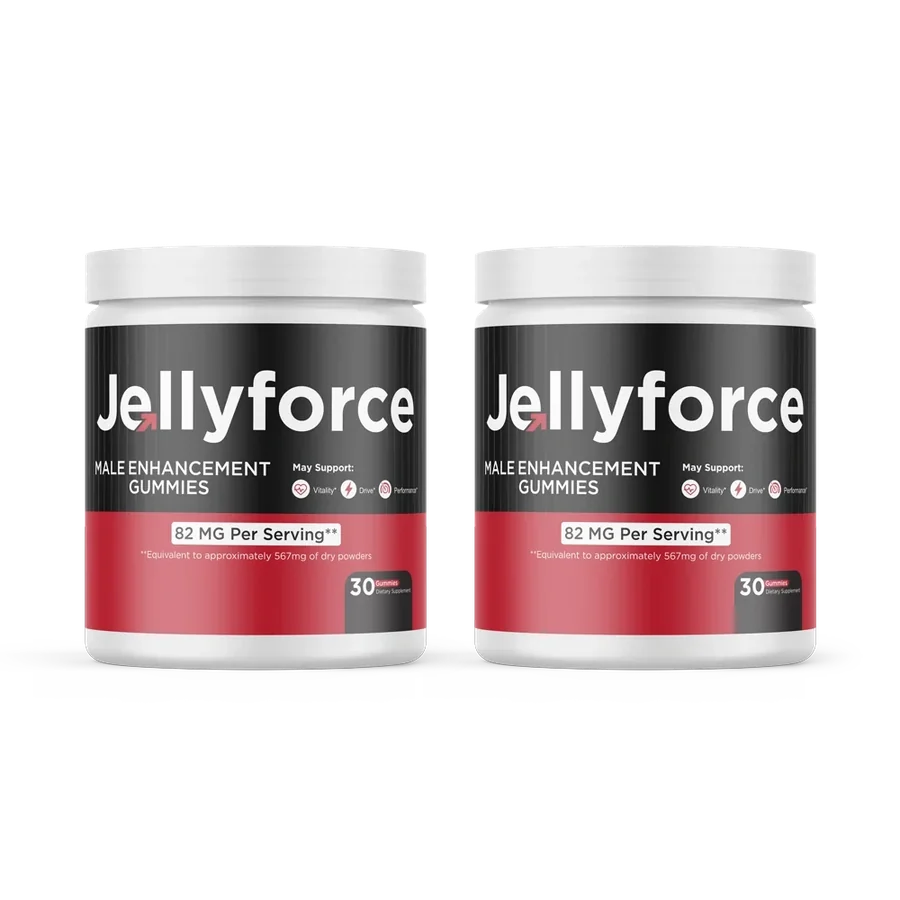
Turn your jar over. The lot and the best-before are printed on the base when the jar carries them. Read both to the order desk on +1 (302) 200-3480 with your order ID and they can match the jar to an order.
It confirms that the jar in your hand came from an order this seller shipped. That is a narrow, useful thing.
It does not verify purity, potency, the ingredient split, or the absence of anything undeclared. No certificate of analysis has been published to us — only the draft reference above.
Five steps
Small printing, usually on the underside. A phone camera with the flash on is easier than reading it directly.
The lot we hold is JEL-26/JA-3656. If yours differs, that alone does not mean anything is wrong — production runs change — but it is the moment to call rather than guess.
It is in the order confirmation email. The desk matches a lot to an order, so both halves are needed.
+1 (302) 200-3480. Read out the lot, the best-before if the jar carries one, and the order ID.
Reference JEL-3656-26-JA is printed but the document behind it has not been published to us. If enough buyers ask, that is how it gets published.
Reference
| Section of a CoA | What it shows | Available for Jellyforce? |
|---|---|---|
| Product and lot identity | Which batch the document describes | A draft lot reference is printed; the document is not published |
| Laboratory name and accreditation | Who ran the tests and to what standard | Not published |
| Date of testing | When the batch was tested | Not published |
| Identity testing | That each botanical is the species claimed | Not published - and the catuaba species is not named on the label either |
| Heavy metals | Lead, arsenic, cadmium, mercury against limits | Not published |
| Microbial limits | Total counts, yeast, mould, pathogens | Not published |
| Assay / potency | How much of a marker compound is present | Not published |
| Undeclared drug screen | The test that matters most in this category, given the FDA's warning list | Not published |
Eight rows, one partial answer. That is the honest state of published testing for this product, and it is why we will not call a draft reference third-party verification.
The honest section
It is worth separating two things that get run together on trust pages across this category: traceability and verification.
Traceability answers “did this seller ship this jar?” It needs a lot number, an order record and someone who can match them. That works here, and the phone call above genuinely does it.
Verification answers “is what is in the jar what the label says, and is there anything in it that should not be?” It needs a laboratory, a specification and a published document. This product has a draft reference number and nothing else.
In most categories that distinction is academic. Here it is not, because the FDA publishes a standing notification list of products in exactly this market found to contain undeclared prescription drugs. A published screen would answer that question. A draft reference number does not, and no site should imply that it does.
The full certificate behind JEL-3656-26-JA, with the testing laboratory named and an undeclared-drug screen included. It is the single document that would move this product's testing score off the floor, and it is the one we have asked for.
Reference
Two jars bought months apart will usually carry different lots. That is how production works, not a sign of anything.
Thousands of units share one lot. The reference narrows a problem down to a batch, which is what it is for.
It is the date up to which the maker stands behind the product's condition. For a gummy, heat and humidity will usually spoil the texture long before that date.
Anybody can print a number on a page. The check that matters is whether a seller can match your jar's lot to your order.
Printing on a curved base fails sometimes. Call the desk with your order ID rather than assuming the worst.
Two minutes, once. If you ever need to report something to the desk or to a clinician, the lot is the first thing either will ask for.
The honest section
One document, and it would change three pages of this website.
A certificate of analysis naming the testing laboratory, the date, the batch, and the tests run against a written specification — identity, heavy metals, microbial limits, and in this category a screen for undeclared drug ingredients.
That single piece of paper would move the testing marks on our editorial scorecard off the floor, let this page say something stronger than “traceable”, and answer the one question the FDA's warning list raises about every product in this market.
It does not exist publicly. The reference printed on the packaging implies it, and the supplied pack marks that reference as a draft label rather than proof. Until the document appears, this page says exactly that.
Questions
No. The supplied pack marks lot JEL-26/JA-3656 and certificate JEL-3656-26-JA as draft label references, not laboratory proof. We print them as what they are.
Through the order page on this site. Jaellyforce is the U.S. stocking partner for Jellyforce. A jar bought somewhere else cannot be traced by this desk and is not covered by this desk's refund window.
The FDA publishes a notification list of sexual enhancement products found to contain undeclared prescription drug ingredients, most often sildenafil or tadalafil. Consumers cannot tell from a label. No laboratory report has been published for this product, so the list is worth reading before you buy anything in this category.
References
Published prices run $49 to $89 a bottle with a 60-day money-back window. Order desk +1 (302) 200-3480.
60-day money-back window · ships from inside the US · order desk +1 (302) 200-3480