Jellyforce blog
What 82 mg Actually Means on a Supplement Label
A printed milligram total is better than no number at all. It is also much smaller than it looks once you divide it.
Start here
Why the milligram figure is the number to find
Most supplement labels are designed to be read in a particular order: brand name, claim, picture, and the numbers somewhere small. Reading them that way is how people end up buying things they would not have bought.
Read the numbers first. They are the hardest part of a label to fake and the easiest to check, and in most cases they settle the question before you have read a single word of marketing.
A printed milligram figure is not a promise that a product works. It is something much more useful: a fact you can reason about, argue with, and compare against published research. Nothing else on a label offers that.
A hierarchy
Three ways a label can handle amounts
| What the label does | What you learn | How common |
|---|---|---|
| A full panel, a figure against each ingredient | Everything. You can compare each ingredient with the research on it | The minority, and worth seeking out |
| A declared blend, total weight plus ingredients in descending order | The size of the whole and the rough ranking inside it | Common, and acceptable |
| A blend total only, no ordering | The size of the whole, and nothing about the parts | Where Jellyforce sits |
| Names with no numbers at all | The manufacturer's intent, and nothing else | Very common in this category |
The gap between the third row and the fourth is larger than it looks. A printed total tells you the manufacturer expected someone to check, and it gives you something to do arithmetic with. A label with no number at all has decided in advance that nobody will.
The gap between the second row and the third matters too. Descending order tells you which ingredient is largest, which is often the one the marketing is built on — and sometimes reveals that it is not.
The common mistake
Extract weight is not plant weight
Here is the part almost everybody gets wrong. A milligram figure on a botanical supplement usually describes extract weight, not the weight of the plant it came from.
An extract is concentrated. A 10:1 extract means ten kilograms of dried plant were reduced to one kilogram of extract, so 100 mg of that extract was made from about 1,000 mg of plant. Published research, by contrast, is often conducted on dried whole herb, measured in grams.
So comparing a label's extract milligrams directly against a study's whole-herb grams is comparing two different things, and it makes almost every supplement look worse than it is.
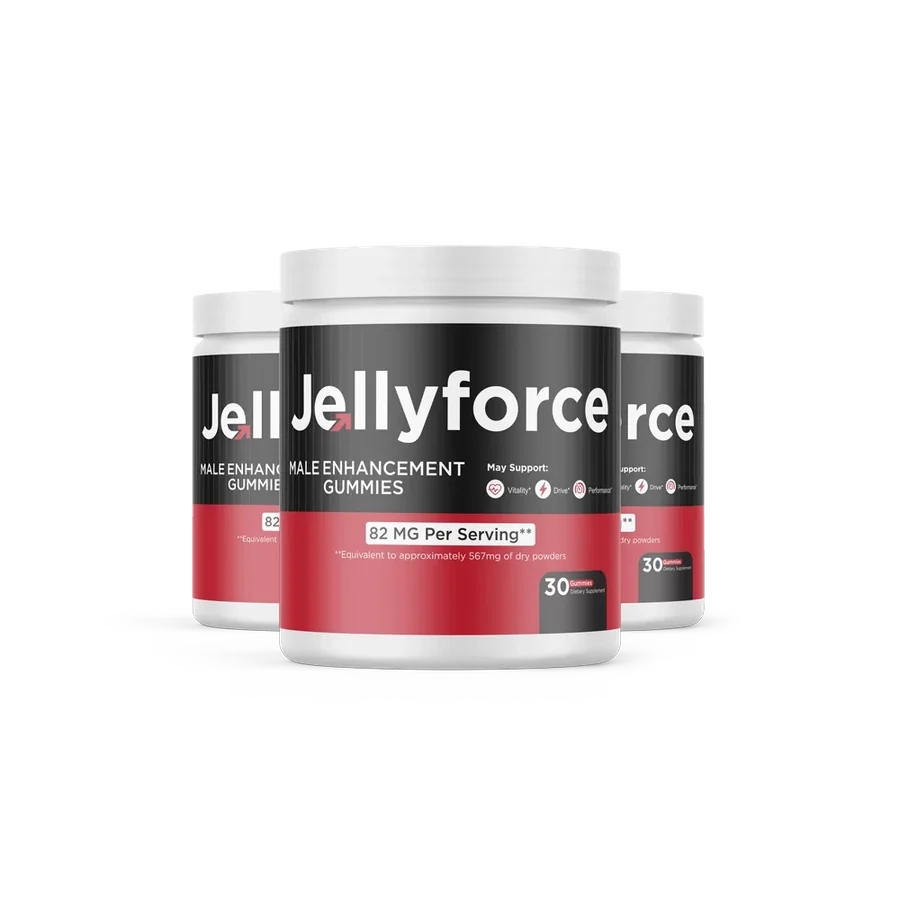
The honest version needs the ratio, and most labels do not print one. When a label does give you a dry-powder equivalent — as the Jellyforce jar does, with its “approximately 567mg of dry powders” footnote — it has done that conversion for you, and that is a point in its favour.
Five seconds
Then divide it
Once you have a number, divide it by the number of ingredients sharing it.
This is the step that changes most people's view of a formula, and it takes five seconds. A 1,200 mg blend of four ingredients averages 300 mg each, which is in the range published research uses for several common botanicals. A 200 mg blend of twelve ingredients averages under 17 mg each, which is not in the range of anything.
Two caveats, and both matter. The split is rarely even — one ingredient may carry most of the weight, and without a declared order you cannot know which. And some ingredients are genuinely active at small amounts: vitamins, minerals and a few standardised extracts work at milligram or microgram levels where a whole herb would not.
So the average is a sanity check rather than a verdict. But a formula whose average sits an order of magnitude below the research on its headline ingredient is telling you something, and it is usually telling you it is built as a habit rather than as a dose.
Reference ranges
What to compare it against
| Ingredient | Commonly studied at | Source of that framing |
|---|---|---|
| Maca | 1.5-3 g a day of dried root | The bulk of published human work |
| L-arginine | 1.5-6 g a day | ODS notes little evidence of a performance effect even at these amounts |
| Ashwagandha | 300-600 mg a day of root extract | The range used in most modern trials |
| Muira puama | No agreed research dose | Traditional use, thin trial data |
| Catuaba | No agreed research dose | Almost no human trials |
Notice the units. Two of these five are measured in grams. One is in hundreds of milligrams. Two have no established figure at all, which is its own piece of information: an ingredient nobody has established a dose for is an ingredient you are buying on tradition.
Those ranges are general and preparation-dependent, and we print them as reference points rather than as targets. But they set the scale, and scale is the thing a label's headline number needs to be read against.
Applied to us
A worked example: 82 mg
Now run the method on the label this site sells.
The figure: 82 mg per serving, printed on the front of the jar. That puts it in the third row of the table above — a blend total, no declared order.
The extract conversion: the label's own footnote says roughly 567 mg of dry powders. So the honest whole-plant figure to work with is about 567 mg, not 82 mg. Credit where it is due: the label did that conversion for us.
The division: five ingredients sharing 567 mg of dry-powder equivalent averages about 113 mg each. Sharing 82 mg of extract averages about 16 mg each.
The comparison: maca research uses 1,500 to 3,000 mg a day of dried root. Ashwagandha trials use 300 to 600 mg of extract. L-arginine work uses grams.
The conclusion, stated plainly
Even taking the label's most generous framing, the entire Jellyforce serving sits below what a single-ingredient maca product would put in one capsule. That does not make it a bad product and it does not make the label dishonest — the jar says may support, which is accurate. It does mean this is a formula to buy as a daily habit, not as a strength, and anyone telling you otherwise has not done the arithmetic.
Caveats
What this method will not tell you
Two things this method will not tell you
Whether the split is even. It almost never is. One ingredient usually carries most of the weight, and on a label with no declared order you cannot know which. The average is a sanity check, not a measurement.
Whether the ingredient works at all. A generous amount of something with no evidence behind it is still a generous amount of something with no evidence behind it. Dose arithmetic tells you about strength, not about whether strength would help.
Where small amounts are genuinely fine
It is worth saying, because this post could otherwise leave you thinking every low number is a red flag. Vitamins and minerals work at milligram and microgram levels by definition. Some standardised extracts are concentrated specifically so that a small weight carries a meaningful amount of the compound that matters — which is exactly what an extract ratio is for, and exactly why a label that prints one is telling you something useful.
The problem is not small numbers. The problem is small numbers with no ratio, no split and no way to check — and a page that quotes research conducted at a hundred times the amount as though it applied.
One more habit worth having
When a page cites a study, look for two things: the amount used, and whether the form matches. A trial on standardised extract does not transfer to whole powder, and a trial on whole powder does not transfer to extract. Those two questions catch most of the borrowed evidence in this industry, and they take about as long to ask as reading the claim did.
Summary
The one-minute method
Find the number. Check whether it is extract or plant weight. Divide it by the ingredient count. Compare the result against the research on the headline ingredient.
Four steps, about a minute, and it will tell you more about a supplement than every other element on the page combined. If there is no number to find, you have your answer faster still.
References
Sources
- NIH Office of Dietary Supplements. Dietary Supplements for Exercise and Athletic Performance. ods.od.nih.gov. Accessed September 22, 2026.
- National Center for Complementary and Integrative Health. Ashwagandha: Usefulness and Safety. www.nccih.nih.gov. Accessed September 22, 2026.
- NIH Office of Dietary Supplements. Botanical Dietary Supplements: Background Information. ods.od.nih.gov. Accessed September 22, 2026.
- NIH Office of Dietary Supplements. Dietary Supplements: What You Need to Know. ods.od.nih.gov. Accessed September 22, 2026.
Order Jellyforce from the official page
Published prices run $49 to $89 a bottle with a 60-day money-back window and an order desk on +1 (302) 200-3480. No ingredient amount is published, and you should know that before you pay.
60-day money-back window · ships from inside the US · order desk +1 (302) 200-3480